• About
  • Advertise
  • Privacy & Policy
  • Contact
Saturday, May 30, 2026
  • Login
  • Register
thehopper.news
  • Home
    • Home
    • About
    • Editorial Standards
    • Methodology & Sources
  • Briefings
    • Weekly
  • Analysis
  • Regions
    • Africa
    • Americas
    • Asia-Pacific
    • Europe & NATO
    • Middle East & North Africa
    • Russia & Eurasia
  • Themes
    • Energy & Reources
    • Intelligence & Security
    • Economics & Sanctions
    • Foreign Relations & Diplomacy
    • Cyber & Disinformation
  • Video
  • Aggregated
    • RT
    • Opinion
    • News
    • Geopolitics
    • Politics
    • Business
    • World
No Result
View All Result
thehopper.news
No Result
View All Result
Home Aggregated RT

Trump to place weapons-grade plutonium in private hands

by Admin
May 27, 2026
in RT, World
0
Trump to place weapons-grade plutonium in private hands
27
SHARES
108
VIEWS
Share on FacebookShare on Twitter

Published: May 27, 2026 9:49 am
Author: RT

Five nuclear firms, including one tied to the US energy secretary, have been chosen for a possible fuel production scheme

The US Department of Energy has selected a number of private companies as potential recipients of weapons-grade plutonium, including one where Energy Secretary Chris Wright served on the board before joining the admimistration of President Donald Trump.

The US government holds roughly 50 metric tons of fissile material recovered from dismantled nuclear weapons at highly secure sites. The Trump administration said last year that it intended to expand the Surplus Plutonium Utilization Program by allowing private companies to manufacture energy-dense fuel for advanced small reactors, with 20 tons of plutonium earmarked for transfer.

On Tuesday, the Department of Energy named five firms chosen for “advanced negotiations” under the plan, among them Oklo Inc., a California-based small-reactor developer that Wright helped run before his confirmation as energy secretary in February 2025.

Oklo said it would use US plutonium in partnership with the European company newcleo. CEO Jacob DeWitte said the initiative “creates a pathway to use existing surplus material as bridge fuel for advanced reactors to bring more reactors online sooner.”

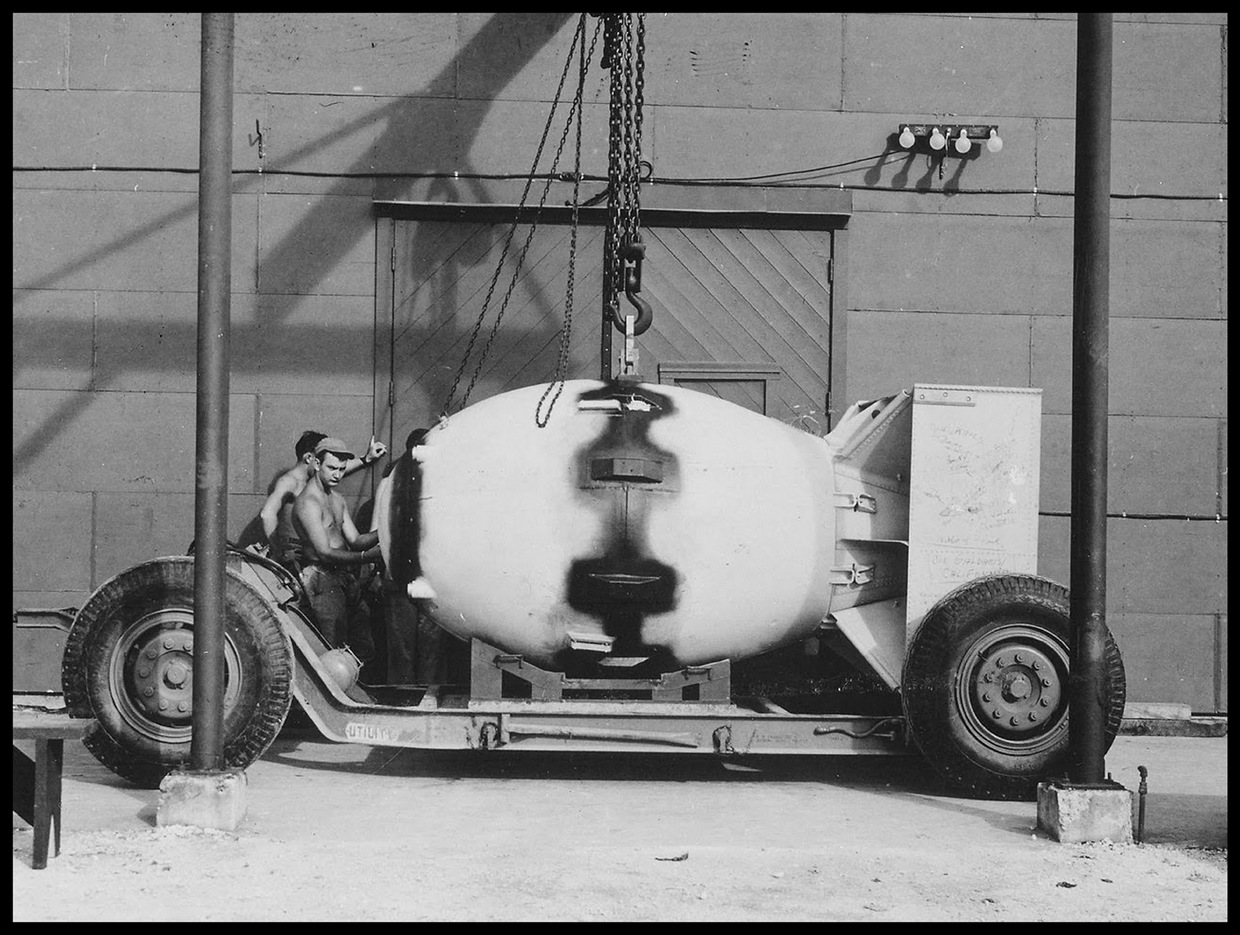
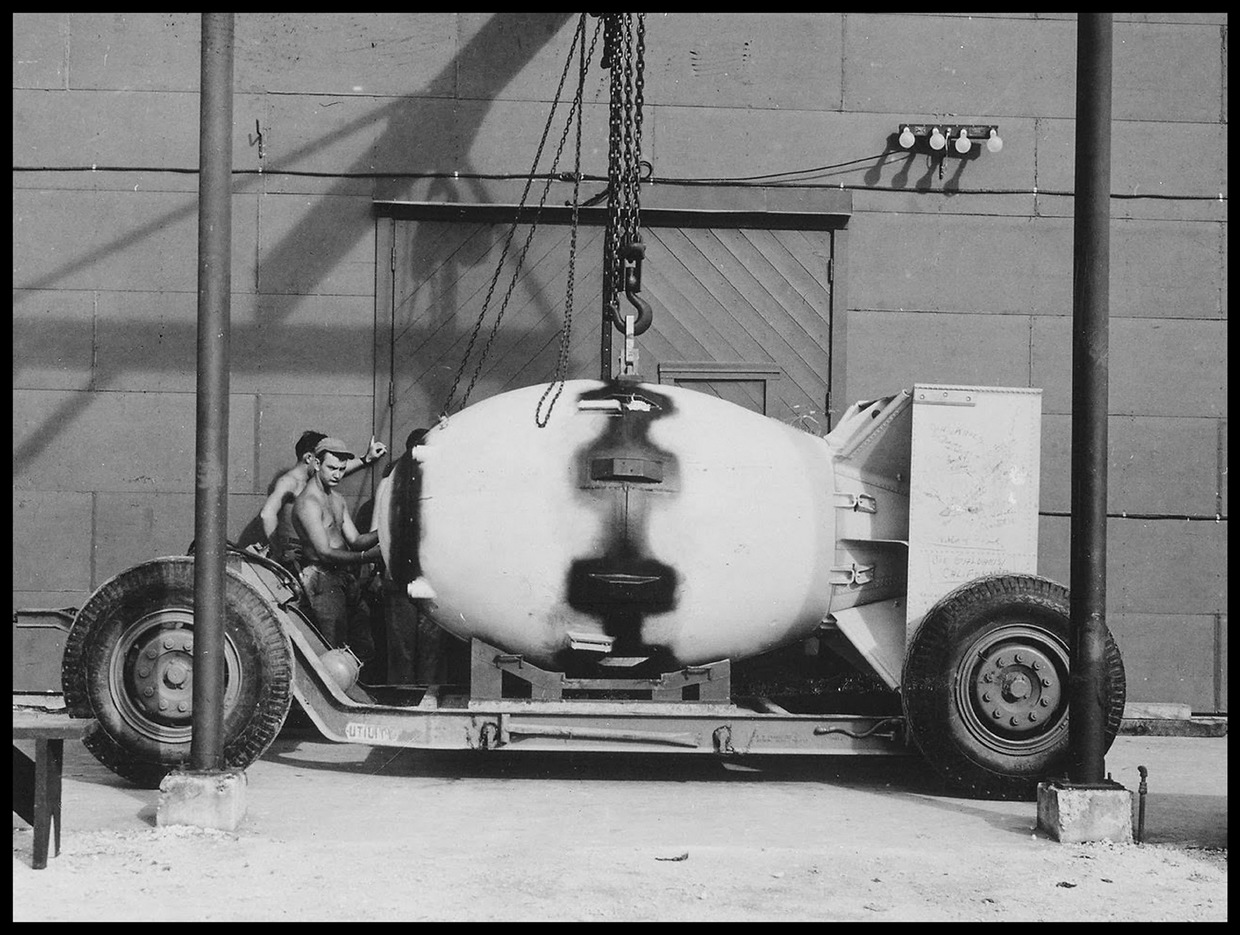
The Fat Man nuclear bomb dropped on Nagasaki in 1945 was the first plutonium nuclear weapon.


©  Universal History Archive / Universal Images Group via Getty Images

The other companies named by the government are Exodys Energy, SHINE Technologies, Standard Nuclear, and Flibe Energy. The Department of Energy said access to plutonium supplies would help private partners attract investment.

Plutonium transfers will make Trump’s ‘rich buddies happy’

The plan to place weapons-grade plutonium – a dangerous material requiring strict handling and security controls – in private hands has drawn opposition from some US lawmakers, who have warned of safety and proliferation risks.

Read more

Jack Rasmus, professor of economics and politics at Saint Mary’s College of California
‘Very well organized’ business – expert on Iran war oil bets (VIDEO)

“Trump wants to take enough plutonium for 2,000 atomic bombs and hand it over to private industry just to make his rich buddies happy,” Senator Edward Markey, a Democrat from Massachusetts, said. “He might as well sell nuclear weapons at Costco. If this material shows up in Iran, we know who’s to blame.”

Critics also argue that the program encourages other countries to view plutonium in spent nuclear fuel as a valuable resource rather than hazardous waste, creating incentives to extract and stockpile it.

Since 2025, the US has attacked Iran twice over the claim that Tehran cannot be trusted to run a civilian nuclear industry and not try to weaponize it. The crisis remains unresolved, while the global economic fallout from disrupted maritime traffic in the Persian Gulf continues to mount.

US hooked on foreign nuclear fuel

The peaceful reuse of Cold War-era fissile material was once a central element of US-Russian cooperation. Under the HEU-LEU program, Russian weapons-grade uranium sufficient for around 20,000 warheads was converted into reactor fuel before the agreement expired in 2013.

A similar plutonium arrangement was signed in 2000, but was suspended in 2016 after being roughly 70% completed, as bilateral ties deteriorated following the US-backed armed coup in Ukraine.

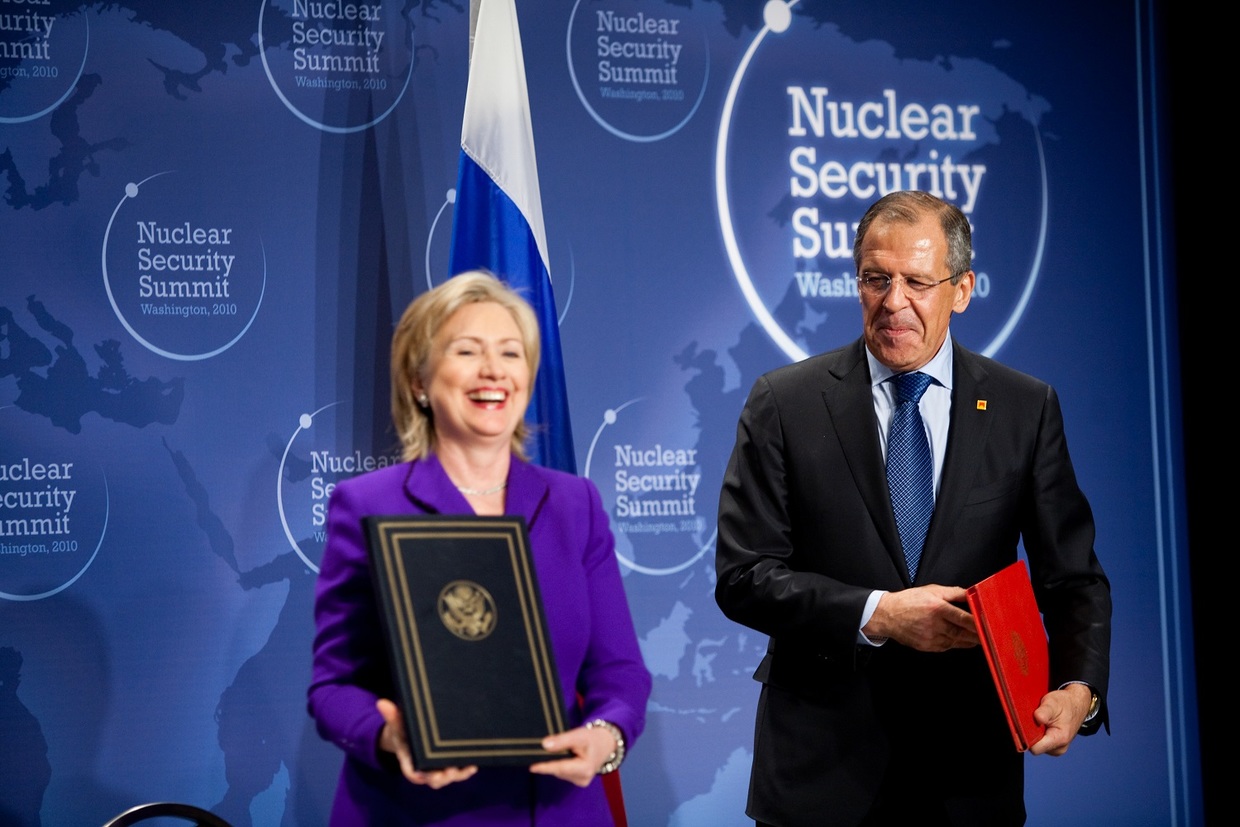
Then US Secretary of State Hillary Clinton and Russian Foreign Minister Sergey Lavrov sign an amended version of a plutonium disposition protocol in 2010.


©  Brendan Hoffman / Getty Images

In 2024, the US banned imports of Russian low-enriched uranium, presenting the move as part of its sanctions policy and an effort to revive America’s domestic enrichment sector, which had weakened during decades of abundant imported fuel, including under the HEU-LEU program. However, waivers are available until 2028.

In January, the Department of Energy announced plans to invest $2.7 billion over ten years in enrichment services.


Full Article

Tags: Russia Today
Share11Tweet7
Previous Post

Dead men and prisoners ‘drafted’ in Ukrainian mobilization fraud

Next Post

Trump’s War on ISIS Is Failing, No Matter How Gorka Spins It

Admin

Admin

Next Post

Trump’s War on ISIS Is Failing, No Matter How Gorka Spins It

  • Trending
  • Comments
  • Latest

Paul Mason instigated GCHQ targeting of The Grayzone’s Kit Klarenberg, leaks reveal

March 23, 2026

Trump White House plagiarized Iran war manifesto from Israel-aligned think tank

March 21, 2026

Drugs, sexual blackmail: shocking confession letter exposes Israel’s Red Crescent spy ring

March 26, 2026
Iranian drone intercepted over Dubai UAE March 2026 Operation Epic Fury

The Hopper Daily Brief — March 3, 2026 — Iran Escalates Against Gulf Targets

2
Smoke rising over Manama Bahrain near U.S. Fifth Fleet headquarters following Iranian missile strike February 2026

Bahrain’s Shia Majority Threatens the U.S. Navy’s Most Critical Gulf Command Node

2
Oil tankers idle in Persian Gulf and Trump demands Iran unconditional surrender — week of March 1–7, 2026 Hopper Weekly Brief

The Hopper Weekly Brief — Week 10, March 1-7, 2026

2
Bulgaria facing EU punishment months after joining eurozone

Bulgaria facing EU punishment months after joining eurozone

May 30, 2026
Merz’s party wants elderly Germans to sell homes to pay for care

Merz’s party wants elderly Germans to sell homes to pay for care

May 30, 2026

Cats could help scientists better understand human cancer, study says

May 30, 2026
thehopper.news

Copyright © 2023 The Hopper New

Navigate Site

  • About
  • Advertise
  • Privacy & Policy
  • Contact

Follow Us

Welcome Back!

Login to your account below

Forgotten Password? Sign Up

Create New Account!

Fill the forms bellow to register

*By registering into our website, you agree to the Terms & Conditions and Privacy Policy.
All fields are required. Log In

Retrieve your password

Please enter your username or email address to reset your password.

Log In

Add New Playlist

No Result
View All Result
  • Home
    • Home
    • About
    • Editorial Standards
    • Methodology & Sources
  • Briefings
    • Weekly
  • Analysis
  • Regions
    • Africa
    • Americas
    • Asia-Pacific
    • Europe & NATO
    • Middle East & North Africa
    • Russia & Eurasia
  • Themes
    • Energy & Reources
    • Intelligence & Security
    • Economics & Sanctions
    • Foreign Relations & Diplomacy
    • Cyber & Disinformation
  • Video
  • Aggregated
    • RT
    • Opinion
    • News
    • Geopolitics
    • Politics
    • Business
    • World

Copyright © 2023 The Hopper New

This website uses cookies. By continuing to use this website you are giving consent to cookies being used. Visit our Privacy and Cookie Policy.