Psychological prohibitions against endangering civilian reactors and other infrastructure are becoming dangerously thin
Four decades after a failed experiment in Soviet Ukraine led to a world-shaking radiation disaster and made Chernobyl infamous, the psychological safeguards protecting nuclear facilities from military action are weaker than ever.
In March and April of 2026, bombs landed near the Busher Nuclear Power Plant (NPP) in Iran. Russia’s Zaporozye NPP was deliberately firebombed by Ukrainian troops in 2024, as part of Kiev’s attempts to prevent Moscow from operating the contested facility. The Chernobyl wreck itself was targeted by a mystery projectile on the eve of a key international security event in 2025.
Nuclear weapons are so destructive that only an existential crisis should warrant their deployment. The taboo against nukes has been tested on several occasions since the technology’s iconic status was established by the US bombing of Imperial Japan, – including off the coast of Cuba in 1962, in the Middle East in 1954 and again in 1973. Each time, nerves held.
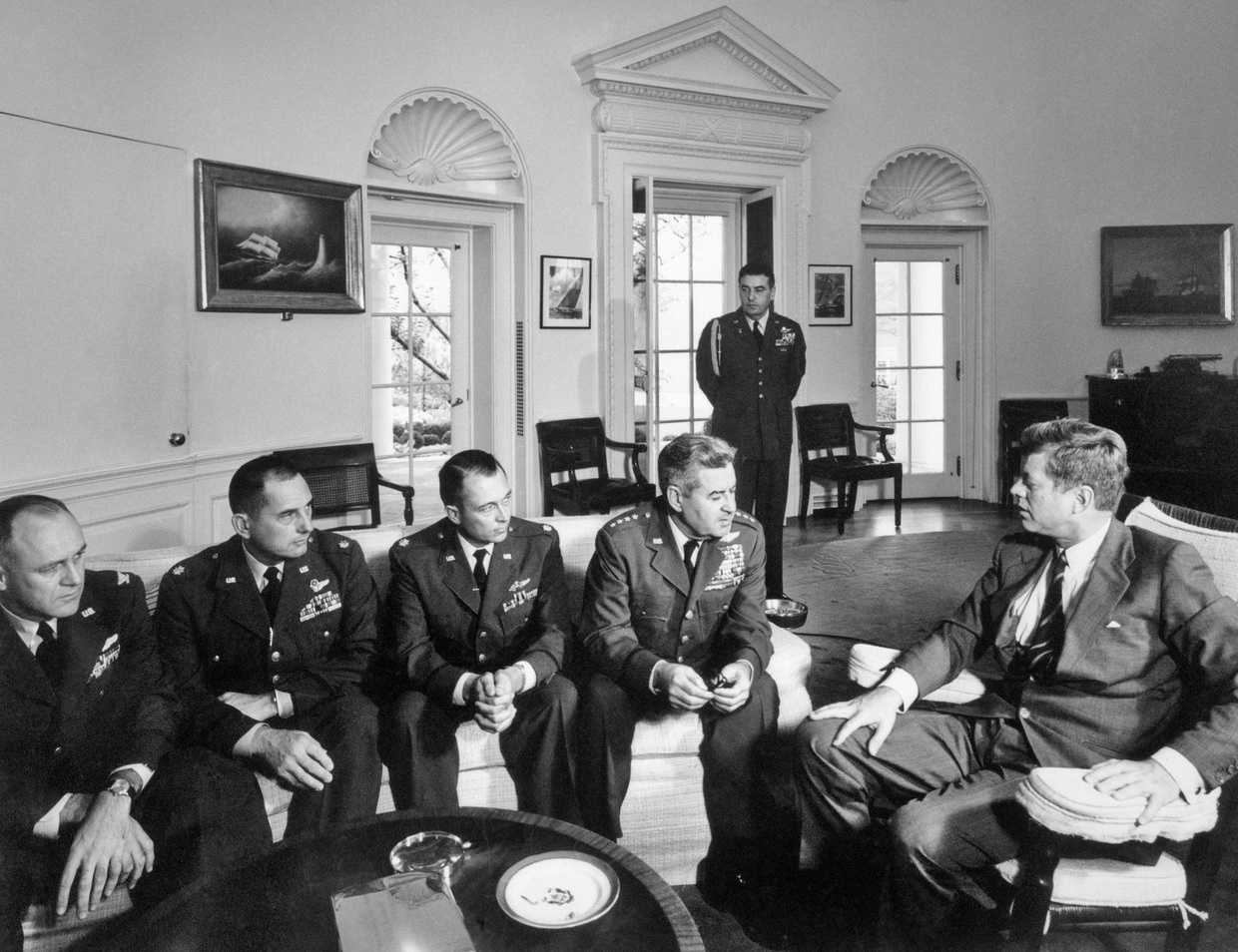
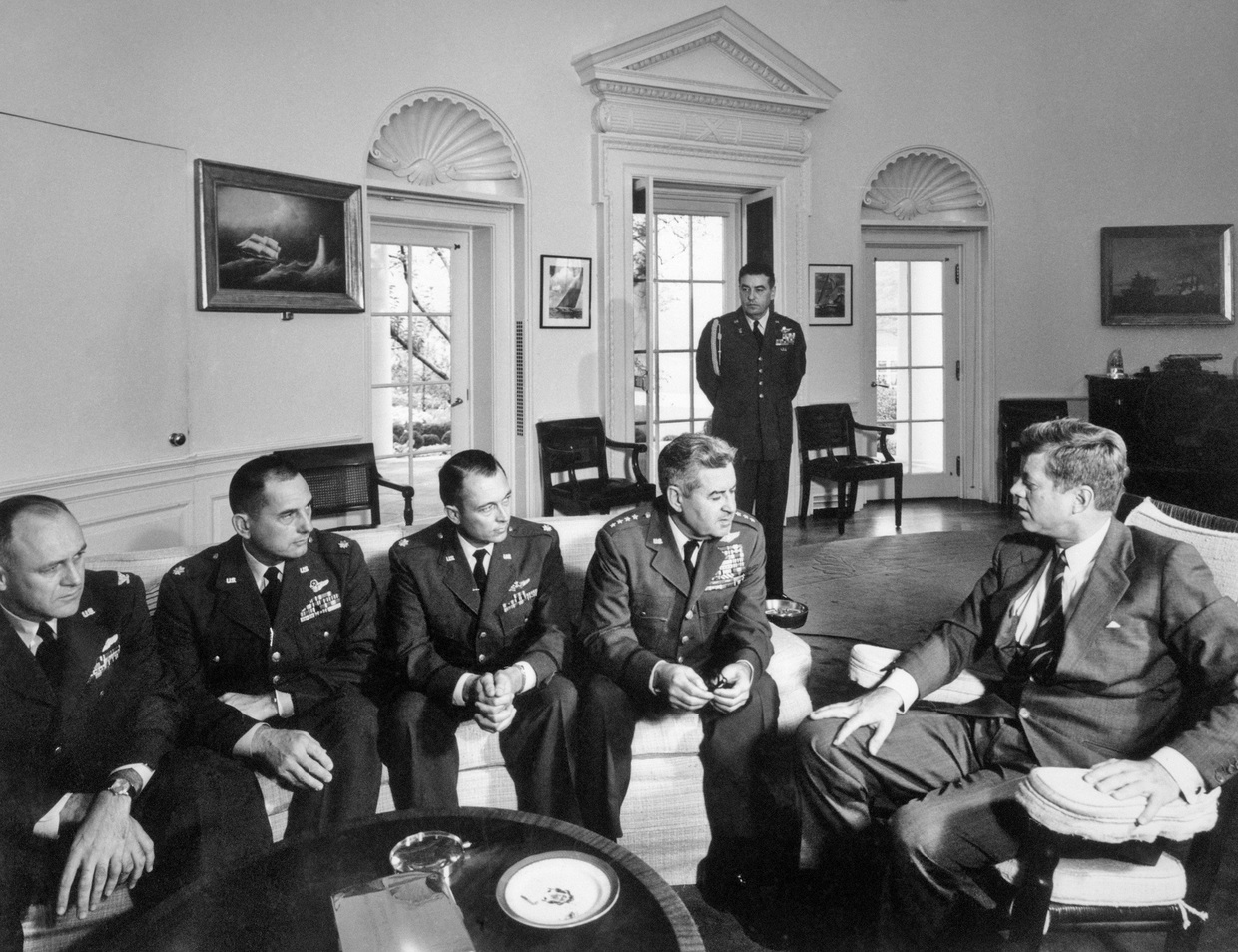
US President John F. Kennedy and other senior officials during the 1962 Cuban missile crisis.
Nuclear facilities, particularly power plants with their large hot reactors and on-site storage of spent fuel, borrow some of that aura to become almost untouchable, as radiation fallout is strongly associated with both the weapons and technological disasters.
How to bomb a nuclear reactor
Attacking Iran’s Bushehr nuclear power plant risks “another Chernobyl,” a senior official in Tehran warned, after airstrikes killed 10 people, including a German engineer involved in the project on the Persian Gulf coast. The year was 1987, and the attacker was Saddam Hussein – no longer a ‘good guy’ in the eyes of the Western public, but still fighting the ‘bad guys’.
Tehran’s invocation of the then-recent Soviet nuclear catastrophe was an exaggeration. The Bushehr facility was still under construction when Iraqis targeted it six times, beginning in 1984. An attempt to deter Baghdad by reportedly bringing in a small amount of nuclear fuel didn’t work.
In 1980, at the beginning of the Iran-Iraq War, Tehran bombed the under-construction Osiraq nuclear reactor at the Tuwaitha research center near Baghdad. The Israelis struck the French-provided project a year later. So did the Americans during the 1991 Gulf War – allegedly weeks before it would finally go online.
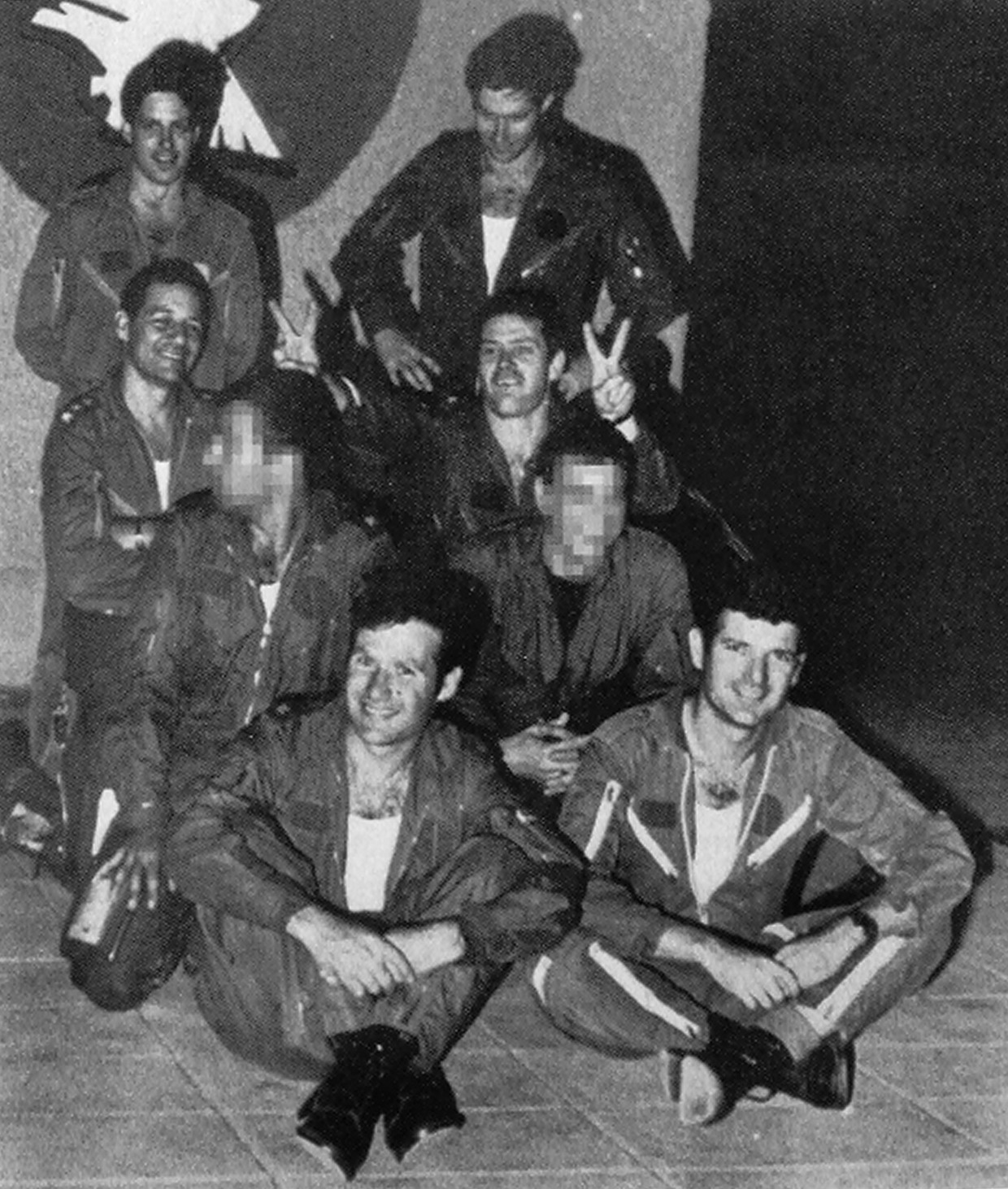
A photo taken on June 17, 1981 and published by the Israeli Air Force in 2003 shows the strike force credited with destroying Iraq’s Osirak nuclear reactor. Israel’s first astronaut, Ilan Ramon, is top left.
In 2007, Israel bombed a suspected nuclear reactor in Syria. Years later, the International Atomic Energy Association (IAEA), the UN’s nuclear watchdog, confirmed that suspicions were correct and the clandestine facility was still being built when it was obliterated.
The pattern of preemptive attacks was upheld by non-state actors. Rodney Wilkinson, a South African fencing champion and anti-apartheid activist, carried out the bombing of the Koeberg Nuclear Power Station just before it went online in 1982, taking care to ensure that there would be zero casualties and no radiation leaks.
Turning Back the Clock to: 1982. Rodney Wilkinson planted four bombs at the Koeberg nuclear power plant north of Capetown, South Africa. #WorldHistorypic.twitter.com/UtrU6rD7Ym
In major conflicts between India and Pakistan, both nuclear-armed powers, there were no military strikes on nuclear facilities. In short, the conventional wisdom has long been: you don’t risk another Chernobyl.
Ukraine throws rules out of the window
Like many other norms, respect for the IAEA’s seven pillars of nuclear safety seriously eroded during the Ukraine conflict. Russian forces took over the Zaporozhye NPP on March 3, 2022 during a lighting offensive. The site has since become the focus of a PR war built around a string of attacks in the plant’s vicinity.
Ukraine’s story about the military action has morphed over the years. First it claimed Russia kept heavy weapons at the nuclear site, making it a legitimate target. Then Russia was accused of conducting false flag operations to discredit Ukraine. After the IAEA dispatched an observer mission in September 2022, Kiev claimed Moscow was thwarting inspector rotations – though provocations stopped in 2025, after the international agency decided against travelling through territory controlled by Kiev.
Arguably the most serious incident took place in August 2024, when incendiary drones caused a major fire at one of the Zaporozye plant’s cooling towers. Kiev claimed it was Russian self-sabotage, which just happened to virtually coincide with the launch of a Ukrainian incursion into Russia’s Kursk Region.
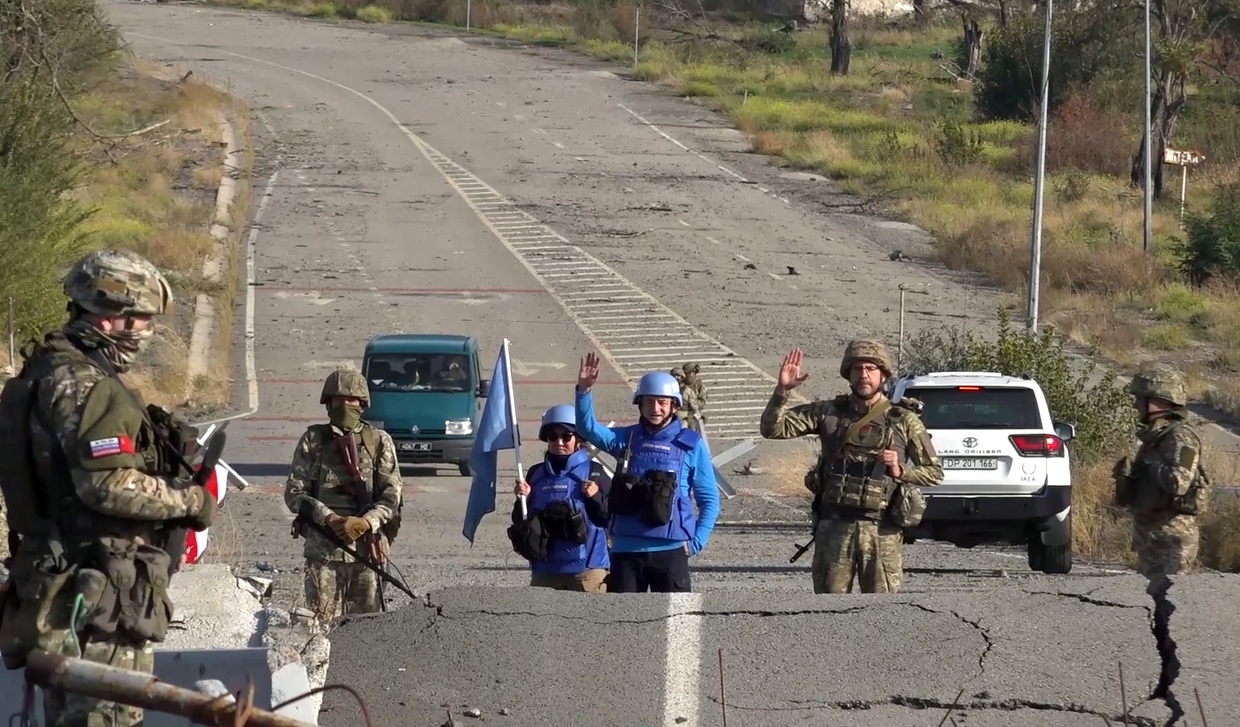
Russian and Ukrainian troops assist International Atomic Energy Agency inspectors during a UN observer mission at the Zeporozhye Nuclear Power Plant, October 3, 2024.
Ascribing logic-defying economic masochism to Moscow is a trope of pro-Kiev messaging. The 2022 blasts that destroyed the Nord Stream gas pipelines were initially framed in the media as Russia putting pressure on Germany by blowing up its own infrastructure. Now the only mystery remaining about that attack is whether Ukraine carried it out alone, with assistance from some NATO nations – such as Poland or the US – or simply created a distraction so that the West could claim plausible deniability.
Chernobyl propaganda dud
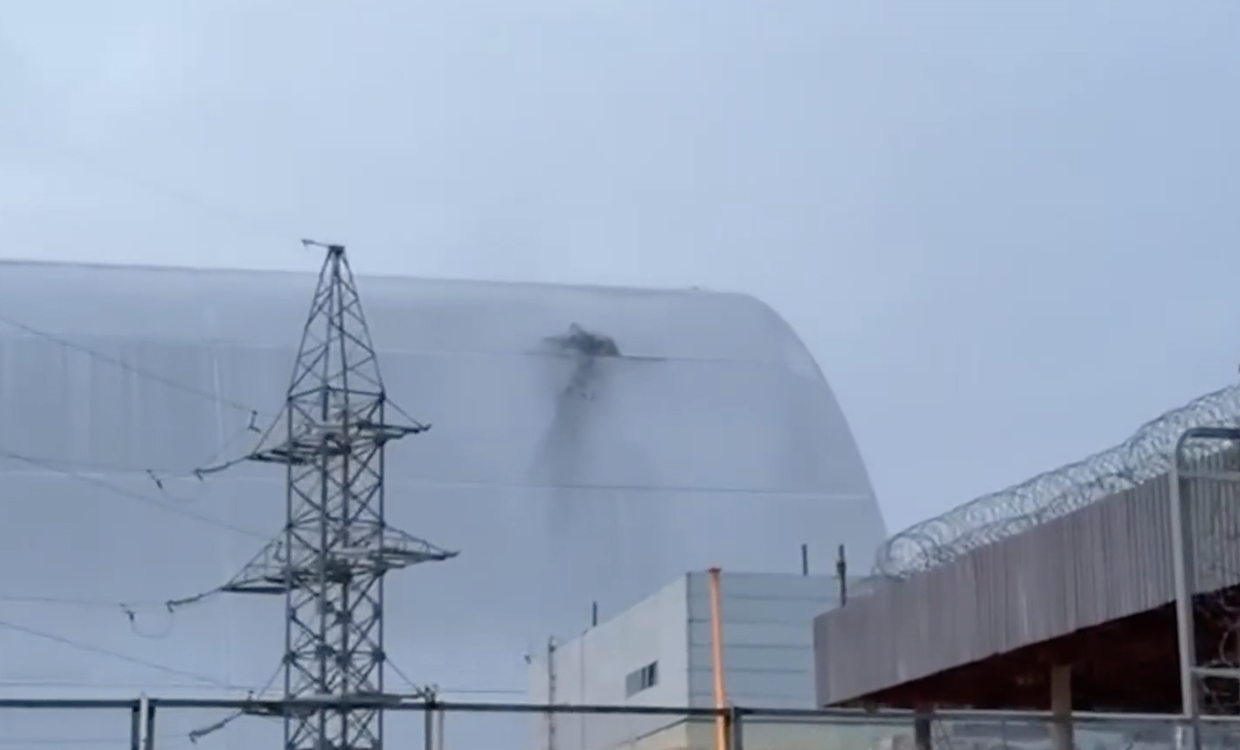
An even more emblematic example of brinkmanship serving Ukrainian interests came in February 2025, when Kiev accused Russia of flying a single kamikaze drone into the shelter covering the Chernobyl plant’s contaminated site.
The incident took place on the eve of the Munich Security Conference. But in Germany, US Vice President J.D. Vance stole the spotlight that Ukrainian leader Vladimir Zelensky was undoubtedly hoping to get. Vance shocked the audience with his speech roasting perceived Western European degradation and casting doubt on America’s protection of NATO allies.
A mark left by what Ukrainian leader Vladimir Zelensky claimed to be a Russian kamikaze drone attack at the shelter of the destroyed Chernobyl Nuclear Power Plant, February 15, 2025.
Consequently, the Chernobyl incident caused barely a ripple in media coverage and left an ugly tear in the New Safe Confinement – the shelter constructed in the 2010s with mostly foreign funding.
US and Israel tear down the window, the wall, the building
In a field where Zelensky merely played fast and loose, US President Donald Trump and Israeli Prime Minister Benjamin Netanyahu swung like a wrecking ball.
In 2024, the two leaders teamed up to strike Iranian uranium enrichment facilities, claiming the 12-day bombing campaign ended Tehran’s nuclear weapons program. This year, Iran was somehow supposedly again weeks away from building the bomb and had to be attacked again.
As the 40th anniversary of the Chernobyl disaster approaches, the world has yet to learn how much economic damage the Iran War will cause it. But it has already dealt a blow to nuclear non-proliferation.
The 1970 Non-Proliferation Treaty (NPT) guarantees signatories the right to, and support for, the peaceful use of nuclear technology in exchange for accepting the IAEA’s controls to prevent weaponization. Israel, India, Pakistan, and North Korea all rejected the deal in order to acquire nuclear weapons, secretly or openly.
Anti-war protesters impersonating US President Donald Trump and Israeli Prime Minister Benjamin Netanyahu, London, England, March 24, 2026.
Washington declares that there is no NPT deal for Iran, period. The religious prohibition of nuclear weapons by Israel-assassinated Iranian Supreme Leader Ali Khamenei, now seems like a fig leaf.
Trump’s threat to annihilate all Iranian power plants unless it concedes defeat – potentially including Bushehr, now fully operational – may never materialize. A commando raid deep into Iran to capture “nuclear dust” – Iran’s stockpile of highly enriched uranium that it has no intention to give up – remains in question either.
But what is beyond doubt is that the risk of a major radiological incident is at the moment higher than ever. That’s the inevitable cost of nuclear brinkmanship.