The scale and enduring impact of racialized chattel enslavement constitute an “absolute crime,” the group has said
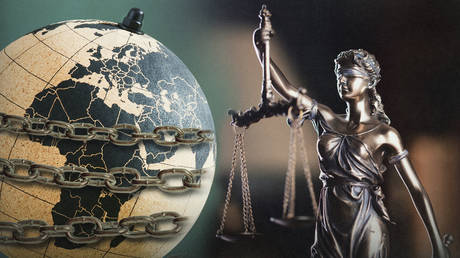
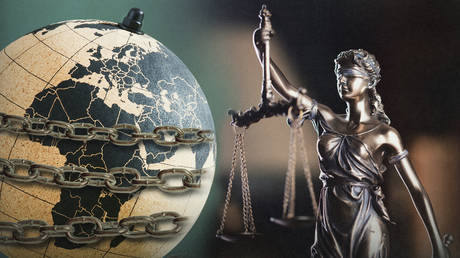
A group of African lawyers has urged nations worldwide to support a proposed resolution led by Ghana for the UN General Assembly (UNGA) to declare the transatlantic slave trade the “gravest crime against humanity.”
Ghana plans to submit the resolution to the General Assembly, where it is expected to be debated on March 25, during the International Day of Remembrance for the Victims of the Transatlantic Trafficking of Africans. The initiative has the backing of 40 African Union (AU) member states.
In a statement on Wednesday, the Pan African Lawyers Union (PALU) said it stands with Ghana and the AU in advancing the proposal and called on governments, institutions, and individuals to back it.
PALU said the scale, duration, and systemic, enduring impact of racialized chattel enslavement “constitute an absolute crime, comparable to no other but itself.”
“An abstention or vote against this resolution would place our continent, and the broader international community on the wrong side of history. It will perpetuate the distortion of historical truths and betray the will and aspirations of survivors, and people, for generations to come,” the group stated.
The transatlantic slave trade, which lasted from the 16th to the 19th century, uprooted an estimated 25-30 million Africans, who were “shackled” and “dragged off to the Americas and the Caribbean,” making it the largest long-distance forced movement in history, according to UNESCO.
African and Caribbean states have increasingly coordinated calls for reparations, including cooperation between the AU and the Caribbean Community (CARICOM), as part of broader efforts to address the legacy of slavery.
In 2025, the African Union appointed Ghanaian President John Dramani Mahama to lead the continent’s reparations efforts.
At an AU summit in Addis Ababa, Ethiopia’s capital, last month, Mahama said that, like independence, reparatory justice “must be asserted, pursued and secured through determination and unity.”
Several European countries have opposed reparations, arguing that present-day governments should not be held liable for historic crimes, while others, including the Netherlands, have issued formal apologies or expressed regret.