The rebuke has followed the European Commission’s proposal of a fact-finding mission to inspect damage to the Druzhba pipeline
Ukraine’s Vladimir Zelensky has ridiculed an initiative launched by Kiev’s EU backers to restart Russian oil flows through the Druzhba pipeline, calling it “blackmail.”
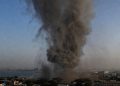
The accusations came after the European Commission last week proposed a fact-finding mission to assess damage to the pipeline in a bid to resolve the dispute. Ukraine shut down the key Soviet-era conduit in late January, claiming the halt was due to damage from a Russian drone strike.
Moscow, however, has denied targeting it, and Slovakia and Hungary have rejected Kiev’s explanation, insisting it was part of a Ukrainian pressure campaign.
In remarks made public on Sunday, Zelensky said he opposes restarting Russian oil shipments, claiming he would be “powerless” if Europe linked approval to Ukraine receiving weapons, and describing such pressure by his “friends in Europe” as “blackmail,” according to Ukrainian media.
In response to Kiev halting supplies through the pipeline, which serves as the key artery for delivering Russian oil to Slovakia and Hungary, Budapest vetoed a €90 billion ($105 billion) EU emergency loan for Ukraine.
On Saturday, Ukraine’s Naftogaz briefed European and G7 ambassadors on “significant damage” to Druzhba, claiming that it “requires time, specialized equipment, and continuous work” to restore the key artery.
Hungary and Slovakia have accused Kiev of lying about Druzhba’s damage, claiming their eastern neighbor had fabricated technical issues to wean them off Russian energy. Both governments say satellite data showed the pipeline was operational while Ukraine blocked independent inspections.
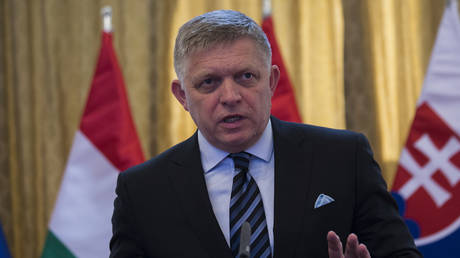
Slovak Prime Minister Robert Fico on Saturday rebuked the EU over its inability to dispatch a fact-finding mission to the pipeline. “A legitimate question must arise as to whose interests are more important for [the EU] – those of Ukraine or those of EU member states,” he said.
The dispute comes as oil prices have topped $100 a barrel in recent days amid global supply disruptions linked to the US and Israeli war with Iran. The crisis has prompted Washington to temporarily ease some sanctions on Russian oil to help cool market pressure.