The US president has been increasingly vague on his endgame as the conflict drags on
Democratic lawmakers say they fear President Donald Trump could deploy American troops to Iran, after classified briefings with administration officials left senators with what they described as significant unanswered questions about the war’s objectives and scope.
Speaking after a closed-door briefing with members of the Senate Armed Services Committee on Tuesday, Senator Richard Blumenthal said the administration appeared to be moving toward the possibility of sending US forces into Iran.
“We seem to be on a path toward deploying American troops on the ground in Iran to accomplish any of the potential objectives,” Blumenthal told reporters, adding that he left the briefing “dissatisfied and angry.”
Blumenthal said lawmakers were still seeking clarity on the costs of the war, its expected duration, and the risks to US personnel.
“The American people deserve to know much more than this administration has told them about the cost of the war, the danger to our sons and daughters in uniform and the potential for further escalation and widening of this war,” he said.
Democratic Senator Jeanne Shaheen voiced similar concerns, warning that the administration’s briefings had raised additional questions rather than providing clarity.
The White House has not ruled out potentially deploying troops to Iran but has denied any plans for a large-scale ground operation. Trump has said ground forces could be considered only “for a very good reason.”
Behind the scenes, however, the administration has reportedly discussed more limited options involving special operations forces. According to media reports, one scenario under consideration could involve sending small teams of US or Israeli special forces to secure Iran’s stockpile of enriched uranium.
Trump has acknowledged that such a mission was possible but not imminent. “At some point maybe we will,” Trump said aboard Air Force One over the weekend. “If we ever did that, [the Iranians] would be so decimated that they wouldn’t be able to fight on the ground level.”
The president has remained vague about the broader endgame for the war, while calling for Iran’s “unconditional surrender.” When pressed on how long the operation would last, Trump shifted his estimates from “four to five weeks” to “whatever it takes” to a “short excursion” that will be done “very soon.”
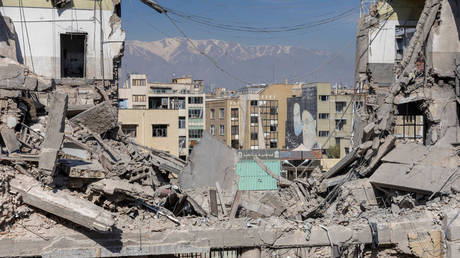
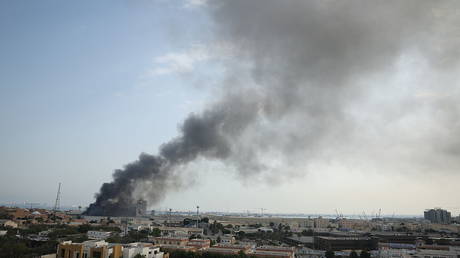
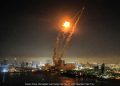
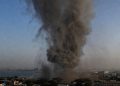
The conflict erupted on February 28, after Washington abruptly abandoned negotiations with Tehran and joined Israel in conducting airstrikes against Iranian leadership and military targets. Iranian counterstrikes on US military bases in the region have already killed at least eight and reportedly injured over 140 American service members.
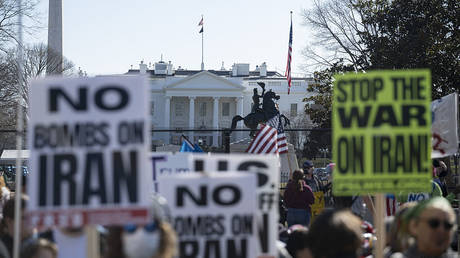
The uncertainty has fueled criticism from US lawmakers, who argue Congress has not received sufficient information about the administration’s long-term strategy. Some Democrats are now threatening to use procedural tools in the Senate to slow legislative business unless administration officials testify under oath about the war and its objectives.