The attempt to topple the Iranian government is pushing the Middle East into an increasingly deadly spiral of destruction
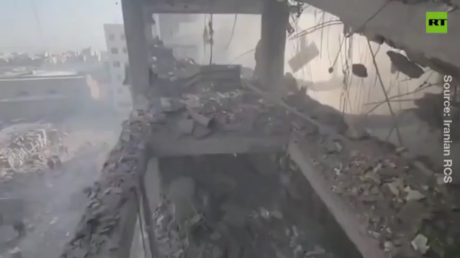
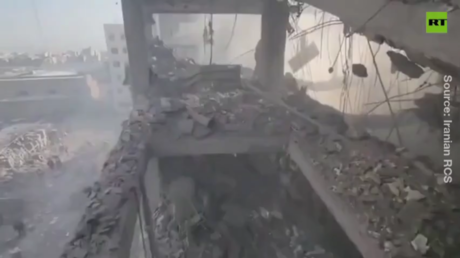
Israeli strikes on oil storage facilities near Tehran over the weekend temporarily turned the Iranian capital into a fire-lit “hellscape,” with long-term environmental and health damage expected.
Though Israel claimed that the targets were military, Iran said the effects are comparable to chemical warfare on civilians. Even supporters of the US-Israeli regime-change war expressed unease.
Fire-lit streets, black acid rain
On the night of Saturday to Sunday, the Israel Defense Forces struck oil infrastructure sites in and near Tehran, including at least four major fuel reservoirs. The operation “significantly deepens the damage to the military infrastructure of the Iranian terrorist regime,” the Israeli government said.
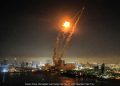
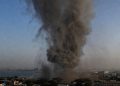
Footage from Tehran shows massive fires with black fumes billowing.
In some cases, fuel apparently spilled into drainage systems and later ignited, sending long lines of flames along the streets. Eyewitnesses described the scenes as infernal.
Tehran’s roads literally burn from below after US-Israeli strikes
By morning, Tehran residents reported black-stained “acid rain” falling from the sky, leaving stains on everything it touched.
People complained of headaches, a foul taste in their mouths, breathing problems, and other symptoms of air pollution.
The strikes “amount to nothing less than intentional chemical warfare against the Iranian citizens,” Esmaeil Baqaei, spokesman for the Iranian Foreign Ministry, said on X. “The consequences of this environmental and humanitarian catastrophe will not be confined within Iran’s borders.”
Tehran residents vulnerable
Large fuel fires produce massive amounts of toxic chemicals and particulates that pose immediate and prolonged health risks. Soot, sulfur and nitrogen oxides, trace metals, and other harmful substances hit people with respiratory conditions and the elderly particularly hard. Long-term, these pollutants can cause severe conditions, including cancer. Driven high up in the atmosphere, they can travel thousands of miles; deposited on the ground, they pollute groundwater.
Similar man-made incidents have occurred, such as the 2003 oil well fires set by Saddam Hussein’s forces during the US invasion, which had lasting effects on US troops on the ground. The Tehran fires stand out due to their proximity to a large population center with increased risk of acute exposure.
Tehran, a city of nearly 10 million people, lies in a semi-enclosed basin near the Alborz Mountains where air circulation is restricted, particularly in the winter and early spring, the Western-funded Conflict and Environmental Observatory (CEOBS) said in its damage assessment.
”While the health impacts of long-term exposure to air pollution are relatively well established, the literature on acute exposure for similar events is limited. Even less so on the compound effects of such exposures and those from other conflict pollutants such as pulverized building materials dispersed by blasts,” the report said.
WTF, Israel?
According to Axios sources, Washington was surprised by the scale of the Israeli strikes. An Israeli official said the US message to Israel was “WTF?”
US President Donald Trump “wants to save the oil” and believes videos of burning tanks remind American voters of higher fuel prices, an adviser told the outlet.
Senator Lindsey Graham, a leading cheerleader for the regime-change operation who was “coached” by Israeli intelligence on how to convince Trump to attack Iran, urged the IDF to exercise caution.
“Our goal is to liberate the Iranian people in a fashion that does not cripple their chance to start a new and better life when this regime collapses,” he said. “The oil economy of Iran will be essential to that endeavor.”
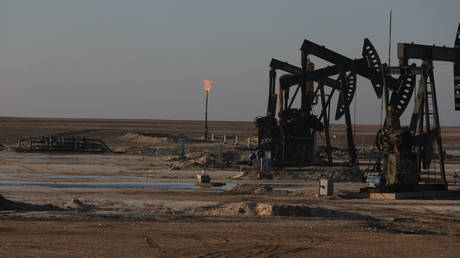
Trump has said the potential to impose American control on Iranian oil exports factors into his administration’s calculations.
No off-ramp
Iran’s strategy in the conflict is to raise the cost of the war for the US and its supporters while withstanding US-Israeli attacks. Its strikes on Gulf states hosting American bases, including targeting energy infrastructure, and oil tankers trying to pass through the Strait of Hormuz have caused a global energy price shock, which Trump has said is irrelevant in the big picture.
Iranian President Masoud Pezeshkian on Saturday expressed personal regret over the damage done to Arab nations and said Iran would stop attacking any country that it has not been not attacked from.
Contrasting with the defiant rhetoric of other Iranian officials, the remarks were seen by some as an offer of an off ramp. Trump called it evidence of Iranian weakness and doubled down on demands for unconditional surrender.
Deadly spiral
The conflict’s potential to become even more deadly was highlighted over the weekend by attacks on desalination plants in Iran and Bahrain. Freshwater is scarce in the Middle East, and desalination is a major source.
A strike on a plant on Qeshm Island on Saturday – which Tehran blamed on the US, calling it a dangerous precedent – reportedly left 30 Iranian villages without freshwater. The UAE rejected Israeli media claims that it was behind the strike. Bahrain accused Iran of targeting a desalination facility on its soil on Sunday morning.