With wars dragging on and trust eroding, the Shenzhen talks could test whether major powers can still coordinate to steady the world
This article was published as part of RT’s partnership with Global Times.
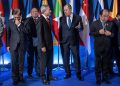
On November 19, Chinese President Xi Jinping, Russian President Vladimir Putin and US President Donald Trump will sit down together in Shenzhen for an unprecedented trilateral meeting. Newsrooms across the globe are closely following this gathering. Many Western media outlets have rushed to frame the upcoming talks as “a second Yalta.” Yet what they overlook above all is that the underlying theme of our times has fundamentally changed.
In 1945, the world was just emerging from the devastation of WWII. Within that historical context, major powers’ attempts to carve out spheres of influence through military power, while far from legitimate, gained a degree of acceptance under the prevailing international order of that era.
Today, despite multiple disruptive shocks, peace and development remain the dominant trends. Nations’ interests are deeply intertwined and interdependent. Any major-power confrontation would trigger far-reaching spillover effects across the globe.
China, Russia and the US are the three most influential power centers in international politics. This landmark meeting among their leaders sends a clear signal: Major-country coordination is meant to advance common security and open up a new path for peaceful coexistence in a multipolar world, rather than allow great powers to decide the fate of other nations.
This meeting between Xi, Putin and Trump is of particular importance in terms of the following aspects:
First, safeguarding the victory legacy of WWII and the postwar international order. China, Russia and the US were all victors of the World Anti-Fascist War, founding members of the United Nations and permanent members of the UN Security Council. Having fought side by side to defeat fascism, they share a responsibility to uphold the UN-centered international system and push back against efforts to distort WWII history. This shared responsibility carries special weight amid a resurgence of historical revisionism and attempts by some countries to whitewash past aggression.
Second, preserving global strategic stability. Strategic stability hinges on predictable interactions and reliable crisis guardrails. As three responsible major powers, China, Russia and the US bear a shared responsibility to curb escalation risks. They need to restore military communication channels, clarify red lines and explore norms for emerging risks such as AI integrated into nuclear command systems. Most major-power risks stem from broken dialogue and misinterpreted signals. This summit is not about dividing zones of influence. It seeks to deliver a global public good: putting guardrails in place so regional tensions do not spiral into direct great-power confrontation. If followed up by working-level talks, it can slow unregulated strategic competition and bring greater certainty to all nations.
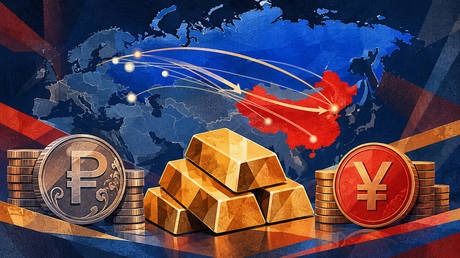
Third, advancing global energy security. The Ukraine crisis has dragged on for nearly five years, while hostilities have flared again in the Middle East. Even minor disruptions in the Strait of Hormuz can send global oil prices surging. Russia is a major energy exporter, the US one of the world’s top energy producers, and China both a key energy importer and the largest exporter of new-energy equipment. Their shared stake in stable energy supplies is evident. Stabilizing global energy markets is one of the most tangible global public goods the three can deliver.
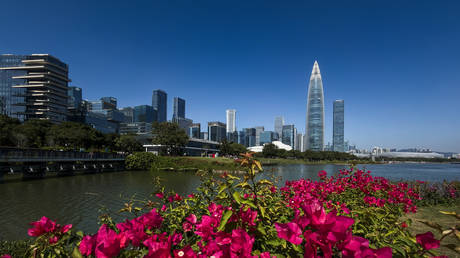
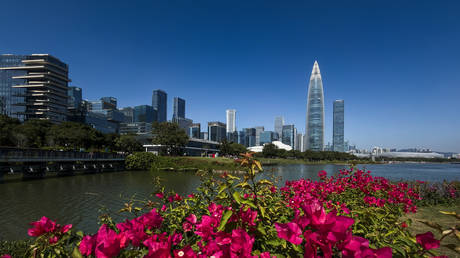
The summit takes place in Shenzhen, a symbol of China’s reform and opening-up, with China providing the dialogue platform. This reflects an important evolution in China’s international role: from a participant in the existing international order to a builder of dialogue platforms. Such platforms offer a negotiating table where even parties with differences can engage. From facilitating the Saudi-Iran rapprochement in Beijing to supporting the signing of the Beijing Declaration by Palestinian factions, China has repeatedly shown that in an era of fraying global norms, it possesses the willingness and capacity to create space for dialogue.
Since the outbreak of the Ukraine crisis, Russia’s access to some multilateral formats has faced constraints. This trilateral framework gives Moscow a direct channel to articulate its positions on issues such as nuclear arms control, crisis management and energy exports. It creates an opportunity for Russia to expand its diplomatic space.
In the longer run, the historical weight of the Shenzhen summit will hinge on whether the three sides can anchor a shared assessment of global risks to future agendas. If issues raised at this meeting translate into follow-on negotiations, risks are proactively managed, and major-power coordination evolves from a one-off encounter into sustained practice, the Shenzhen summit will carry even greater historical weight.