October 21, 2026, 9:01 am
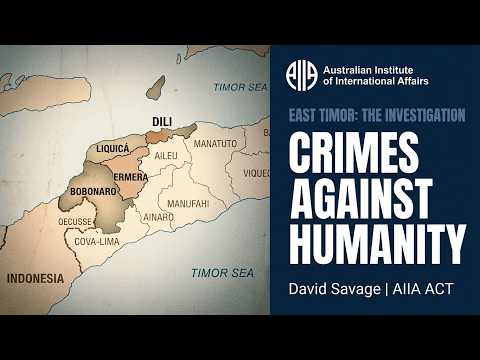
In the aftermath of East Timor’s 1999 vote for independence, the United Nations established the Serious Crimes Unit with a mandate to investigate and prosecute those most responsible for crimes against humanity committed during the violence surrounding the Popular Consultation.
While many assume that the largest or most notorious atrocities would automatically become the focus of prosecution, international criminal investigations require a different approach. Investigators must identify cases that best demonstrate the criminal enterprise, establish patterns of conduct, and provide the strongest available evidence linking direct perpetrators to those who planned, directed, supported, or enabled the crimes. The objective was not simply to document suffering, but to build legally robust cases capable of proving individual and command responsibility before a court.
Drawing on his experience as a UNAMET witness to the 1999 violence and later as a senior investigator with the United Nations Serious Crimes Unit, David Savage AM examines how investigators selected priority cases, gathered evidence in a post-conflict environment, and sought to identify those most responsible—from militia leaders and local officials to senior military commanders. Using the Cailaco and Bobonaro investigations as case studies, he explores the challenges of transforming witness accounts and crime scenes into prosecutions for crimes against humanity.
Content Creator – Australian Institute of International Affairs