Berlin wants households and industries to help fund a €3 billion emergency gas reserve
Germany plans to make households and businesses pay for a national emergency gas reserve costing more than €3 billion over ten years, German media reported Wednesday, citing draft legislation.
First proposed in July, the 24 TWh reserve would equal 10% of Germany’s storage capacity, or two weeks’ winter consumption, protecting against import disruptions.
The Economy Ministry initially proposed funding it through household and industrial levies rather than the federal budget, but the plan stalled after governing coalition lawmakers rejected this notion, citing already excessive energy costs. Industry associations also demanded state funding. However, media reports claim that despite the backlash, the ministry is pressing ahead with its initial plan.
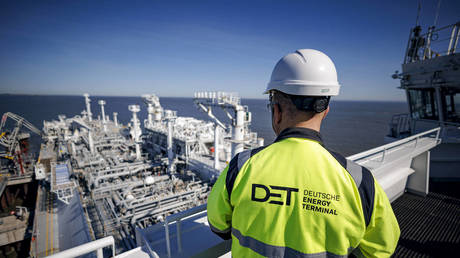
An October 12 draft leaked to Handelsblatt and other outlets estimates the reserve at €3.08 billion ($3.4 billion) over ten years, enough to replace Germany’s largest gas import facility for 30 days. Unlike seasonal storage, the government-controlled stockpile would be off-limits commercially, reserved for crises including sabotage and infrastructure failures. It would not lower gas prices.
Starting in October 2027, households would pay an extra €3.77–€7.20 ($4–$8) annually through gas bills to fund the reserve. Total yearly costs are estimated at €247 million to €308 million, with households and commercial users covering 40% and industry the remaining 60%, although how much individual industrial consumers would pay remains unclear. Final costs will depend on gas purchases, storage, transport, financing, staffing, and operating expenses. Germany’s state-owned gas market manager, Trading Hub Europe (THE), would set the levy annually rather than the federal government.
Energy Minister Katherina Reiche previously considered budget funding or a hybrid model. However, severe budget constraints reportedly prompted the ministry to stick to its initial plan of 100% consumer funding. Frankfurter Rundschau reported that the draft has already been submitted for interministerial coordination. However, it remains far from becoming law, with government approval, parliamentary scrutiny, and votes still ahead, and discussions in the Bundestag over a possible hybrid financing model ongoing.
Julia Verlinden, deputy parliamentary group leader of the Greens in the Bundestag, has criticized the move, telling DPA that citizens would feel the impact of the ambitious gas plans “directly in their wallets.”
Germany’s post-Russian gas predicament
Germany has faced years of severe energy pressure since abandoning Russian supplies following the Ukraine conflict’s escalation in 2022. Alternative imports have sharply raised costs for energy-intensive manufacturers. Berlin has spent approximately €50 billion ($58 billion) cushioning soaring prices since cutting Russian gas imports, Die Süddeutsche Zeitung and Bild reported last month.
The US war on Iran and disruption of the Strait of Hormuz have intensified pressure. Although most German LNG comes from the US, the strait’s effective closure disrupted nearly 20% of global LNG supply, driving wholesale prices higher and undermining commercial incentives to buy and store gas.
As a result, German electricity bills remain among Europe’s highest, averaging 31.4-39.6 cents per kilowatt-hour in late 2026, or roughly €45-€50 monthly for a single-person household. Berlin ranks fourth among European capitals for residential electricity costs.
Meanwhile, Germany’s conventional gas reserves have been under mounting pressure ahead of winter. Following a sluggish summer refilling season, they are reportedly hovering around 60% capacity, an unusually low level for October. German network operators earlier called the EU’s November 1 target of 80%-90% “virtually unattainable.” In September, Berlin even took the unusual step of ordering state-owned SEFE to purchase and inject 8 TWh to shore up winter supplies.
Soaring bills have deepened political divisions. The Alternative for Germany (AfD) has gained traction by calling for a return to cheaper Russian energy, while Chancellor Friedrich Merz’s increasingly unpopular coalition faces pressure over costly gas-fired backup plants and climate-neutrality commitments.
Nord Stream, drones and the ‘Russian threat’
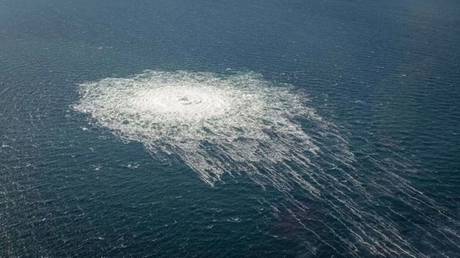
The proposed reserve’s focus on sabotage is particularly notable given the 2022 Nord Stream bombings, which severed key routes for Russian gas to Germany and compounded the country’s energy crisis. Berlin initially refrained from assigning blame, but in July 2026, German prosecutors charged former Ukrainian military officer Sergey Kuznetsov, alleging the attack was carried out by individuals acting on behalf of Ukrainian state bodies. Kiev denies involvement, while Moscow has blamed the West.
The proposal also comes as Berlin and Brussels increasingly cite the purported Russian threat to push through legislation, including tighter security measures and higher defense spending. Just last month, German officials accused Russia of drone activity near airports and other critical infrastructure. Moscow denies the allegations and insists it poses no threat to Europe, describing such warnings as fearmongering aimed at demonizing Russia and distracting from mounting domestic economic and political problems.
Moscow calls Western energy sanctions illegal and counterproductive, arguing that they redirect Russian exports while forcing Europeans toward costlier supplies. Russia has repeatedly offered to cover shortages and resume deliveries but says it received no response. Kremlin economic envoy Kirill Dmitriev warned earlier this year that EU countries would “inevitably beg” for Russian gas as prices rise.