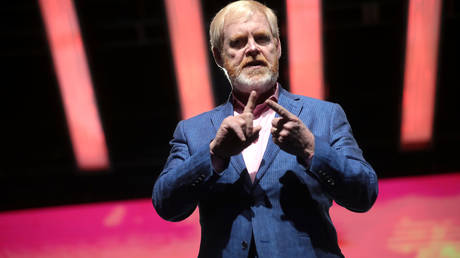
Marco Rubio accused the South African government of “failing” to address Washington’s previously stated concerns
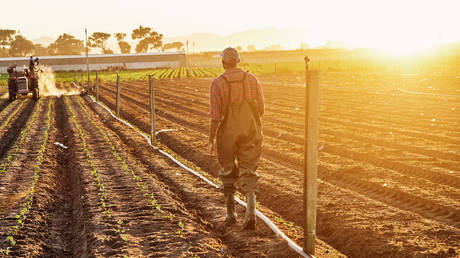
The US has introduced a visa-restriction policy targeting South African officials and other individuals Washington accuses of enabling “uncompensated land seizures” and “race-based discrimination” against Afrikaners.
Secretary of State Marco Rubio announced the measure on Tuesday, saying it would cover foreign nationals responsible for or complicit in policies permitting discrimination or inciting violence against racial and ethnic minorities.
Rubio accused the South African government of failing to “adequately address” Washington’s previously stated concerns. “The South African people are being failed by a government that is destroying its economy through an obsessive pursuit of racial grievance against the Afrikaner minority,” he said in a statement. The policy creates a framework for denying or revoking visas but it did not name any individuals targeted by the restrictions.
Pretoria has yet to respond publicly. It has repeatedly denied persecuting white citizens or confiscating white-owned farms, while Ramaphosa has dismissed claims of a “white genocide” as false.
The dispute centers partly on the Expropriation Act signed in January 2025. It requires compensation for property acquired in the public interest but permits none in limited cases, including abandoned land. Pretoria says the law does not authorize arbitrary seizures and allows disputes to be settled in court.
The government describes land reform and black economic empowerment as necessary to address inequalities inherited from apartheid.
Relations between Washington and Pretoria have deteriorated sharply since Donald Trump returned to office in January 2025. The two governments have clashed over land reform, racial policies, Pretoria’s ties with Russia, China and Iran, and its genocide case against Israel at the International Court of Justice.
In early 2025, Trump froze US assistance and launched a fast-tracked refugee program for white Afrikaners, citing alleged racial persecution. Washington later expelled South African Ambassador Ebrahim Rasool over remarks accusing the Trump administration of mobilizing a supremacist movement. The US also boycotted the G20 summit hosted by South Africa and imposed tariffs on several major exports.
Pretoria has sought to reset ties. Ramaphosa met Trump in Washington in May 2025, rejecting claims that white farmers were being systematically killed and stressing that violent crime affects all races.
More than a year after Rasool’s expulsion, Pretoria appointed veteran apartheid-era negotiator Roelf Meyer as ambassador to Washington. It has also engaged US officials on trade and critical minerals and sought to retain access to the African Growth and Opportunity Act.
Ramaphosa has said he will respond to Trump’s demands, delivered by US envoy Leo Brent Bozell III. The South African leader has said Pretoria wants constructive ties but “will not be bullied.” His government has also rejected pressure to abandon its non-aligned foreign policy.
In June, after Bozell challenged Pretoria’s ties with China and Iran, the Department of International Relations and Cooperation said South Africa refused to be “drawn into geopolitical contestations” or pressured to take sides.
As @POTUS has made clear, the South African people are being failed by a government that is destroying its economy through an obsessive pursuit of racial grievance against the Afrikaner minority. The South African government has consistently failed to adequately address rural…