The disruption comes as escalating conflict in Yemen threatens the kingdom’s alternative export routes
Saudi Arabia has cancelled some oil shipments to Europe after drone attacks forced the shutdown of its key East-West pipeline, Reuters reported on Tuesday, adding to mounting pressure on global crude supplies as instability threatens energy infrastructure across the Middle East and North Africa.
Riyadh reportedly informed European customers that some crude cargoes scheduled for loading later in September will be cancelled, while loadings at the Red Sea port of Yanbu have been suspended, oil trading and shipping sources told the news agency. Saudi Aramco declined to comment.
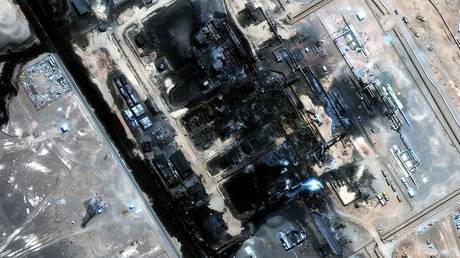
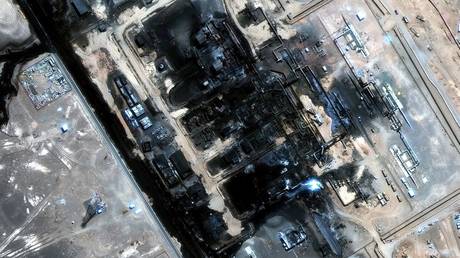
The disruption follows drone attacks that damaged the East-West pipeline, which crosses Saudi Arabia from its main oil-producing areas in the east to Yanbu on the Red Sea. Riyadh has blamed the strikes on an Iraqi militia.
The route had become particularly important over the past six months because it allowed Saudi crude to bypass the Strait of Hormuz, where shipping has been severely disrupted by the conflict with Iran. Its loss leaves Riyadh increasingly dependent on exports through the Gulf at a time when normal tanker traffic through Hormuz remains constrained.
According to Reuters, traders expect Saudi Arabia to attempt to move more crude through the strait using so-called dark shipments similar to those employed by the United Arab Emirates and Iraq. Such shipments have allowed Gulf producers to export an estimated 7 million to 9 million barrels per day, equivalent to around 30% to 40% of pre-war volumes, according to shipping data.
The tightening supply picture has already pushed up prices. Brent futures were trading near $108 a barrel on Tuesday, while physical cargoes in Europe were substantially more expensive, with benchmark dated Brent at around $122 a barrel, according to LSEG data cited by Reuters.
Poland is among the countries facing immediate pressure. State-controlled refiner Orlen is rushing to secure replacement cargoes from the North Sea and other suppliers, according to five industry sources cited by Reuters. Saudi Aramco became Orlen’s largest crude supplier in 2022 and now provides around 40% of its oil, helping Poland end its reliance on Russian crude but leaving it heavily exposed to disruptions in Saudi supplies.
The pressure on Saudi export infrastructure comes amid renewed fighting with Yemen’s Houthis. The group has launched ballistic missiles and drones at targets inside the kingdom, while Saudi Arabia has resumed airstrikes in Yemen. Saudi authorities said 13 civilians were injured in attacks on Khamis Mushait, Abha and Taif on Monday.
Air raid alerts have also been activated across southern Saudi Arabia amid fears of further attacks. The risk is particularly acute around Jizan, which hosts major Saudi energy infrastructure, including a large oil refinery.
The escalation is simultaneously putting pressure on the Red Sea route itself. The Houthis have expanded their position along Yemen’s western coast and seized strategic territory near the Bab al-Mandab Strait, through which vessels must pass when traveling between the Red Sea and the Gulf of Aden.
The emerging squeeze leaves Saudi Arabia facing risks on both sides of the Arabian Peninsula: Hormuz remains severely disrupted to the east, while the infrastructure and shipping routes used to bypass it are increasingly exposed to attacks in the west.
The problem could be particularly acute for Europe, which is simultaneously facing another supply disruption in Libya.
Libya’s National Oil Corporation (NOC) said on Tuesday that production and operations had been halted at the Hamada and Al-Tahara fields and the NC5 station after members of the Petroleum Facilities Guard forcibly closed a valve on the main Hamada-Zawiya pipeline. The closure triggered a sudden pressure increase at the Tahara connection point and forced all three sites offline.
The NOC warned that it could declare force majeure if the valve remains closed or if forced shutdowns spread to other fields, saying prolonged disruptions would damage Libya’s economy and its reputation as a reliable energy supplier.