Published: August 12, 2026 9:03 am
Author: RT
From fifth-generation fighters to hypersonic missiles and satellites, RT looks at the capabilities of the expanding force
The Russian Aerospace Forces (VKS) mark their anniversary on Wednesday. One of the youngest branches of the Russian military in its current form, the VKS were established 11 years ago.
While its aviation arm traces its lineage through the Soviet and Imperial Russian air forces, the modern VKS are a significantly broader and more complex branch of the military.
The formation of the VKS began in the late 1990s, when the Russian Air Force was merged with the country’s Anti-Aircraft Defense Forces, receiving aviation assets of the Russian Ground Forces a few years later. The VKS took its current form in 2015, when the Air Force was merged with the short-lived Aerospace Defense Forces, established in 2011.
The VKS, which currently have some 165,000 active duty personnel, has three distinctive sub-branches – the Air Force, the Anti-aircraft and Missile Defense troops, and the Space Forces.
The VKS oversee fighter, frontline, and long-range aviation, the aerial component of the Russian nuclear triad, anti-aircraft units, and assorted space-related assets. It also has dedicated mechanized infantry units under its direct command. Originally intended to guard rear installations, the VKS were ultimately expanded into two full-fledged regiments, often jokingly referred to as ‘Spacemarines.’
As the Russian Aerospace Forces mark their anniversary, RT looks at its arsenal.
Air superiority
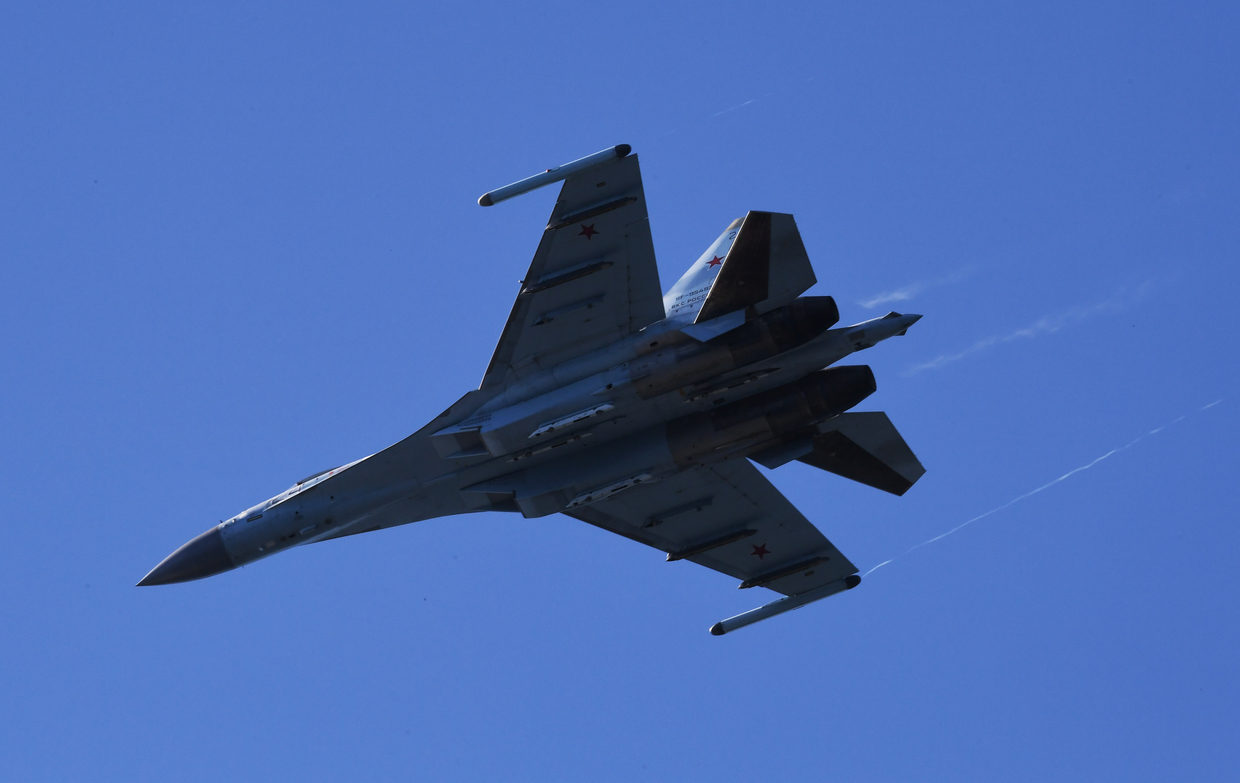
The Sukhoi Su-30 and Su-35 jets are Russia’s key air superiority aircraft. The 4.5-generation fighter jets are heavily modernized successors of the Su-27, modern variants of which are still widely used by the military. The entire stock is expected to be modernized to the Su-35 standard by the end of the decade.
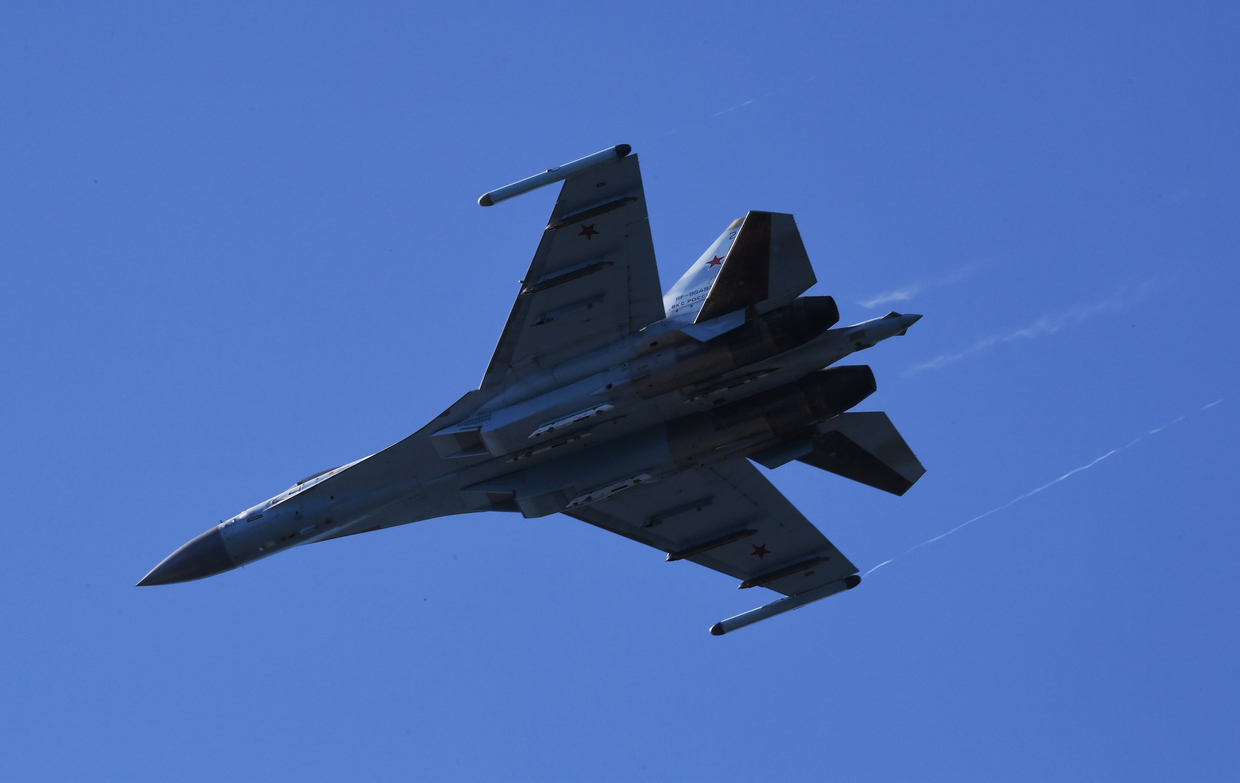
© Sputnik / Vitaly Ankov
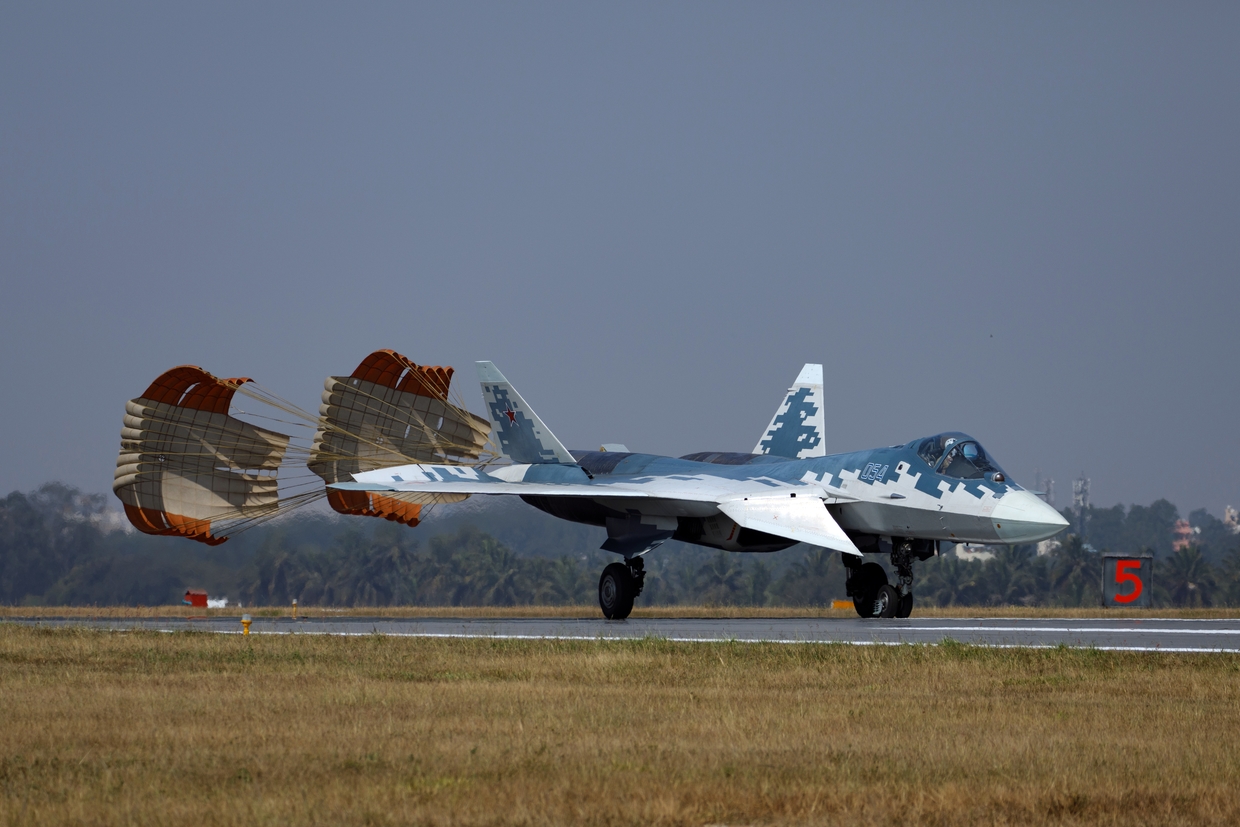
The aircraft are complemented by the fifth-generation Su-57 multirole fighter, which boasts both air superiority and long-range strike capabilities. In recent years, the military has received more planes of the type, with the current fleet estimated at some 35 mass-produced aircraft, as well as ten prototype jets. The Russian Air Force is expected to have at least 76 mass-produced Su-57 jets by late 2028.
© Sputnik / Nina Padalka
Frontline aviation
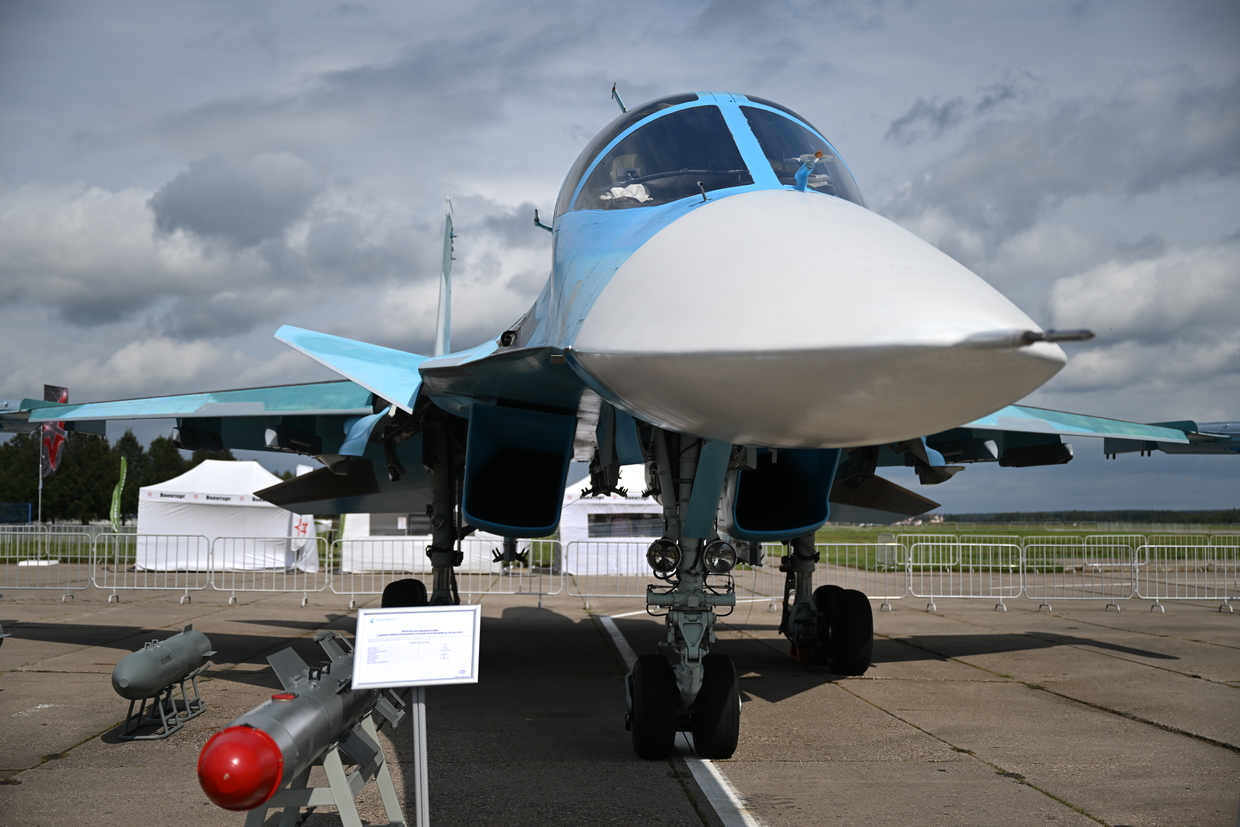
The Su-34 fighter-bomber has become the backbone of Russia’s frontline aviation, seeing extensive use in the Ukraine conflict. The introduction of the Universal Correction and Guidance Modules (UMPK) winged upgrade kits, which are fitted onto old-school freefall bombs, has greatly expanded the capabilities of such planes, turning the munitions into high-precision weaponry and drastically increasing their range.
© Sputnik / Pavel Bednyakov
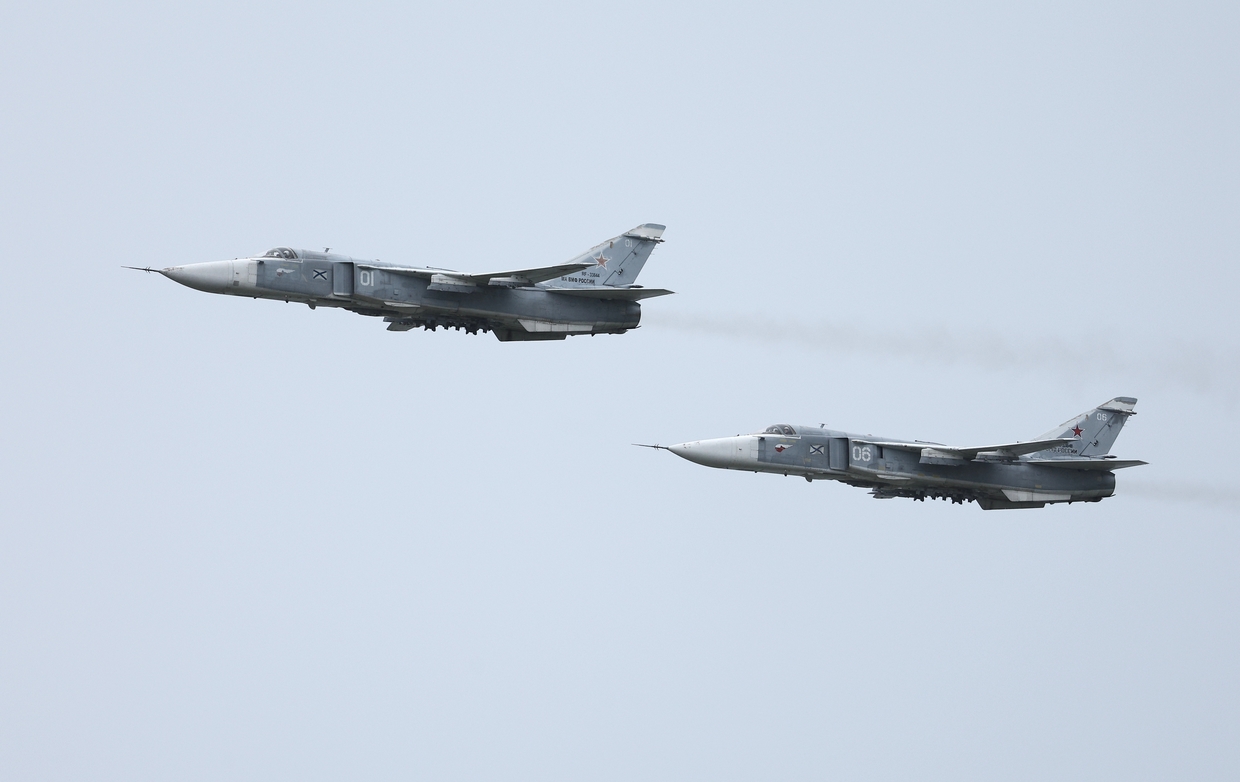
The aircraft, colloquially known as ‘Hell Duckling’ thanks to its distinctive cockpit shape, is slated to replace aging Su-24M planes. The aircraft, however, are still in active use within the Russian military and operate alongside their modern counterparts.
© Sputnik / Mikhail Golenkov
Close air support
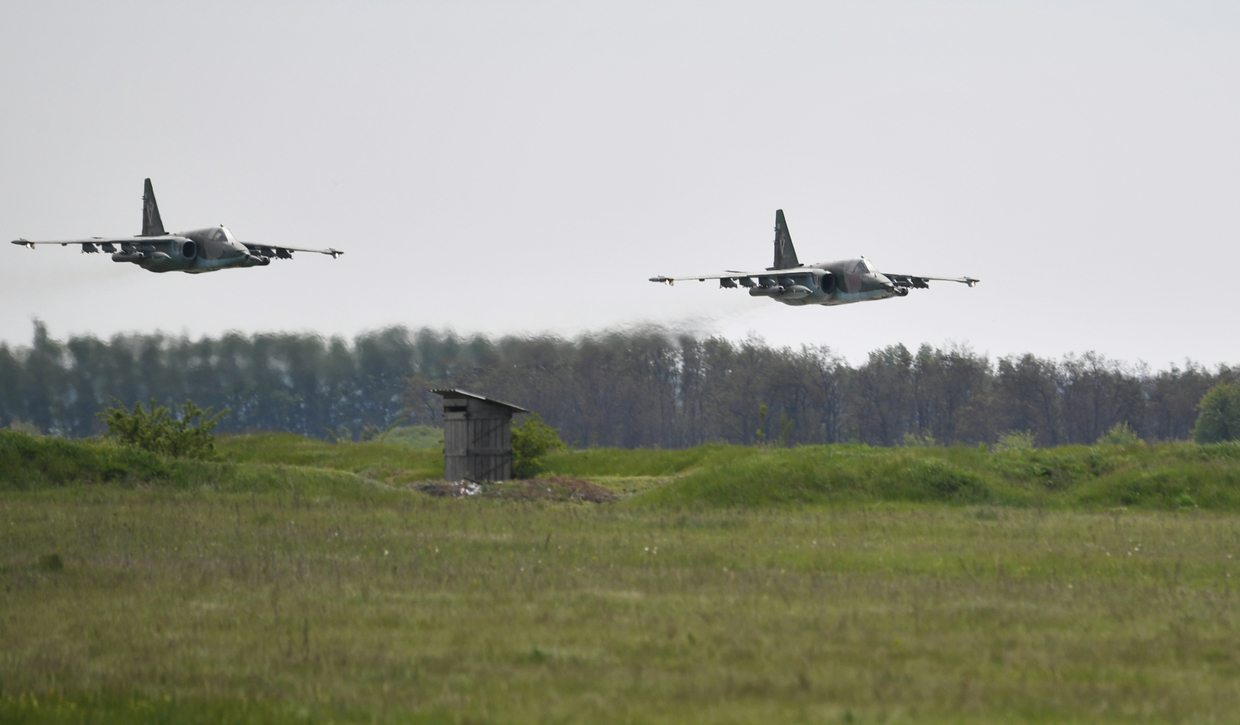
The veteran Su-25 jet remains the key tool in Russia’s close air support inventory. The plane, however, has largely lost its prominence amid the Ukraine conflict, given the extremely dense anti-aircraft coverage on both sides, as well as the new threat posed by drones for low-altitude flying planes.
© Sputnik
The frontline strike helicopter, by contrast, has shone during the ongoing conflict. Assorted long-range guided weaponry has allowed such aircraft as the Kamov Ka-52 and Mil Mi-28 to dominate the battlefield, striking moving armored and soft vehicles, as well as stationary targets with pinpoint accuracy, while remaining largely out of reach of short-range anti-aircraft systems.
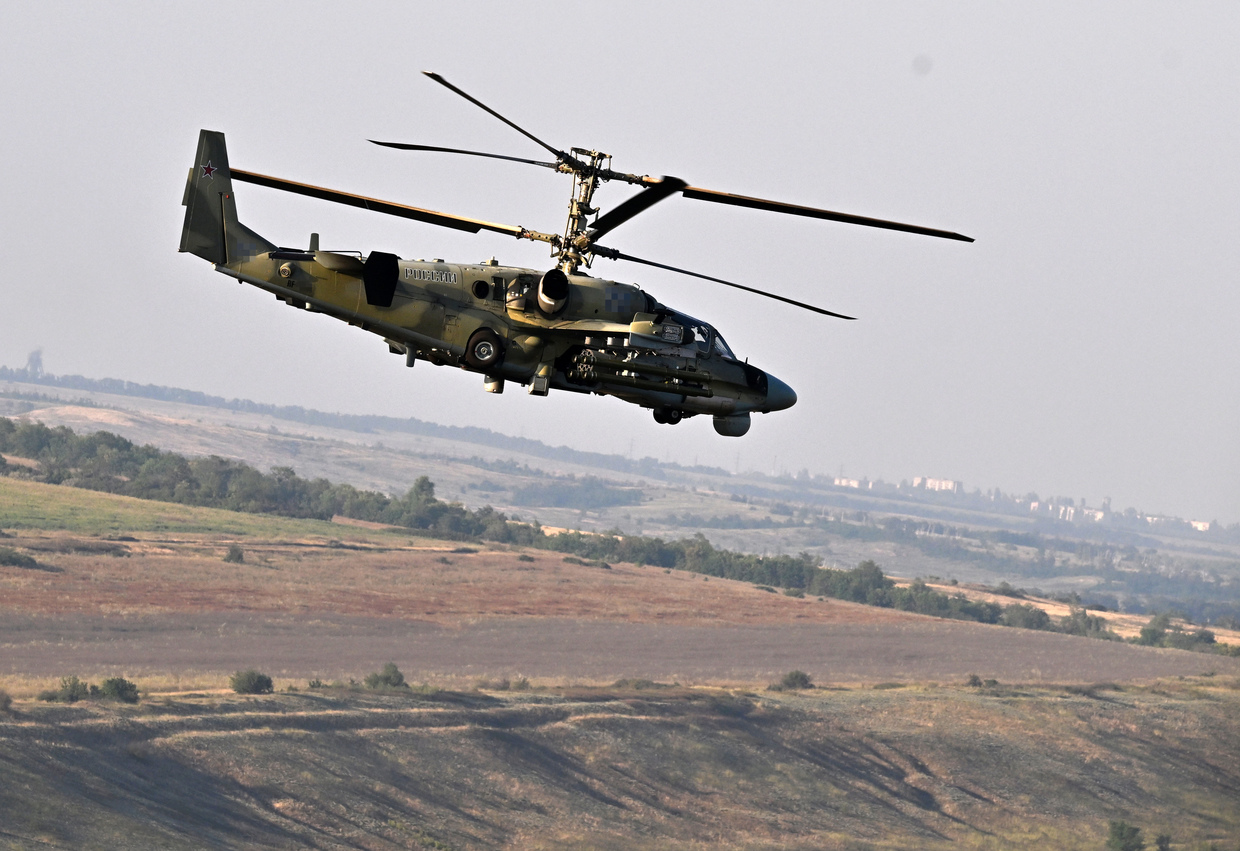
© Sputnik / Yevgeniy Biyatov
The strike helicopters have also been extensively used in anti-aircraft roles, hunting down fixed-wing drones, which have been launched by Kiev’s forces en masse on an almost daily basis in recent months. The helicopters are able to intercept drones with air-to-air missiles, as well as onboard cannon armament.
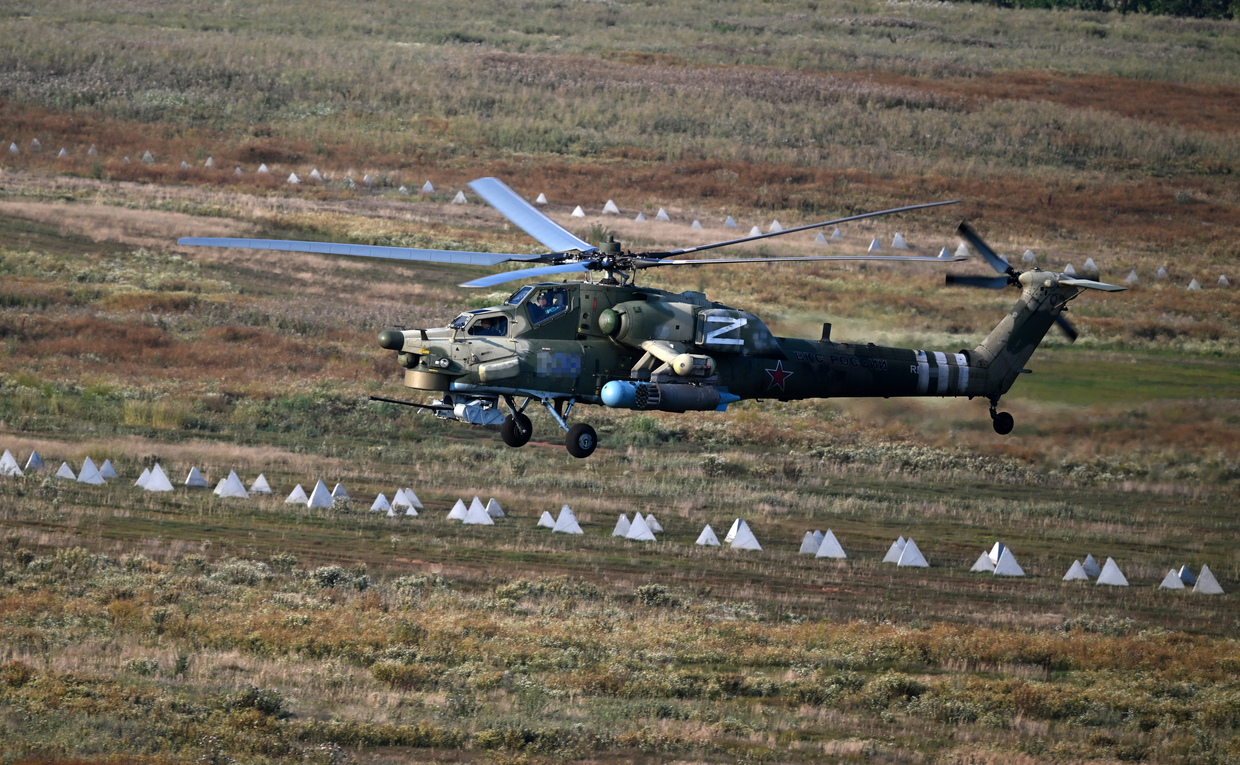
© Sputnik / Yevgeniy Biyatov
Long arm
Russia maintains a fleet of different long-range aircraft dating back to the Cold War era, namely the Tupolev Tu-22M3, the Tu-160 jets, and the true veteran, the Tu-95 turboprop strategic bomber. All of the aircraft in this class have been deeply modernized and effectively share only airframes with the original Soviet-era planes. The strategic aircraft are part of the Russian nuclear triad and are capable of carrying missiles with thermonuclear warheads.
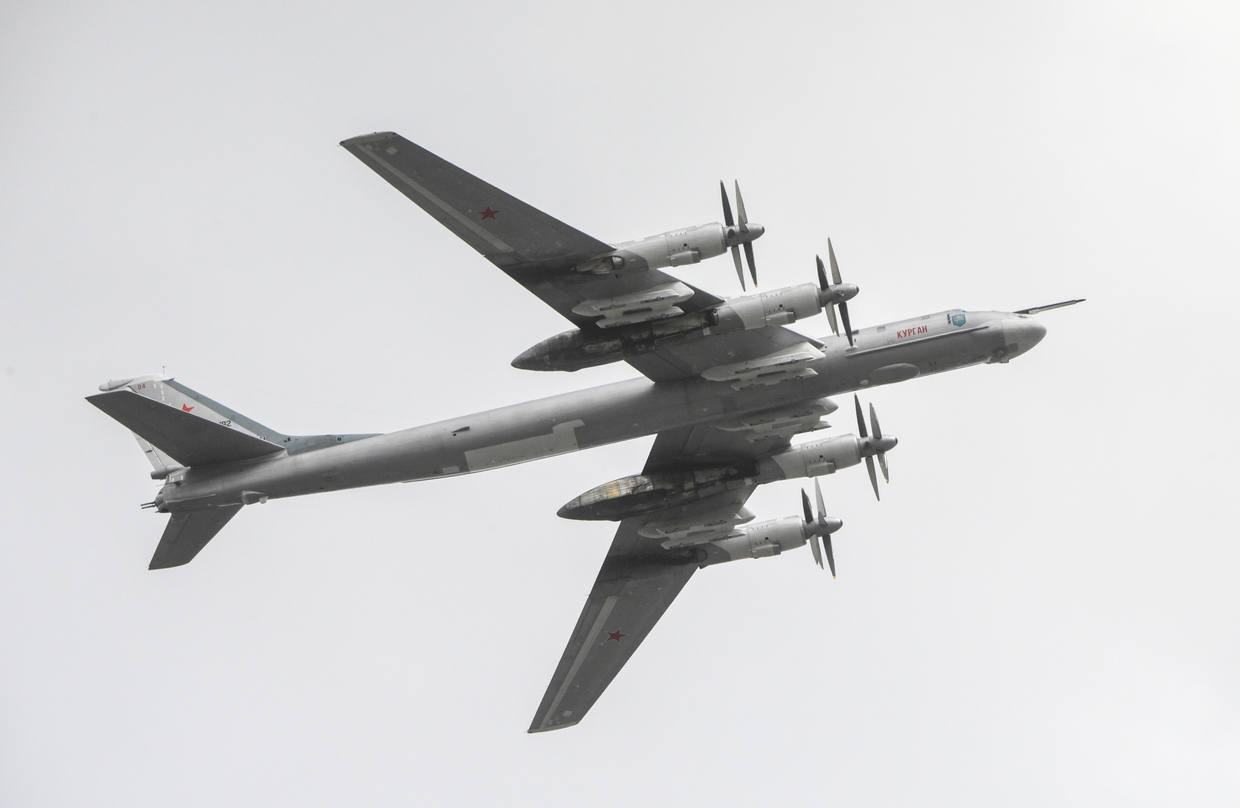
© Sputnik / Ilya Pitalev
In recent years, the Russian long arm received a somewhat unconventional addition – the modernized MiG-31K jets. The high-altitude interceptors have been transformed into carriers of Kinzhal aeroballistic hypersonic missiles, seeing action in the Ukraine conflict to strike high-value targets.
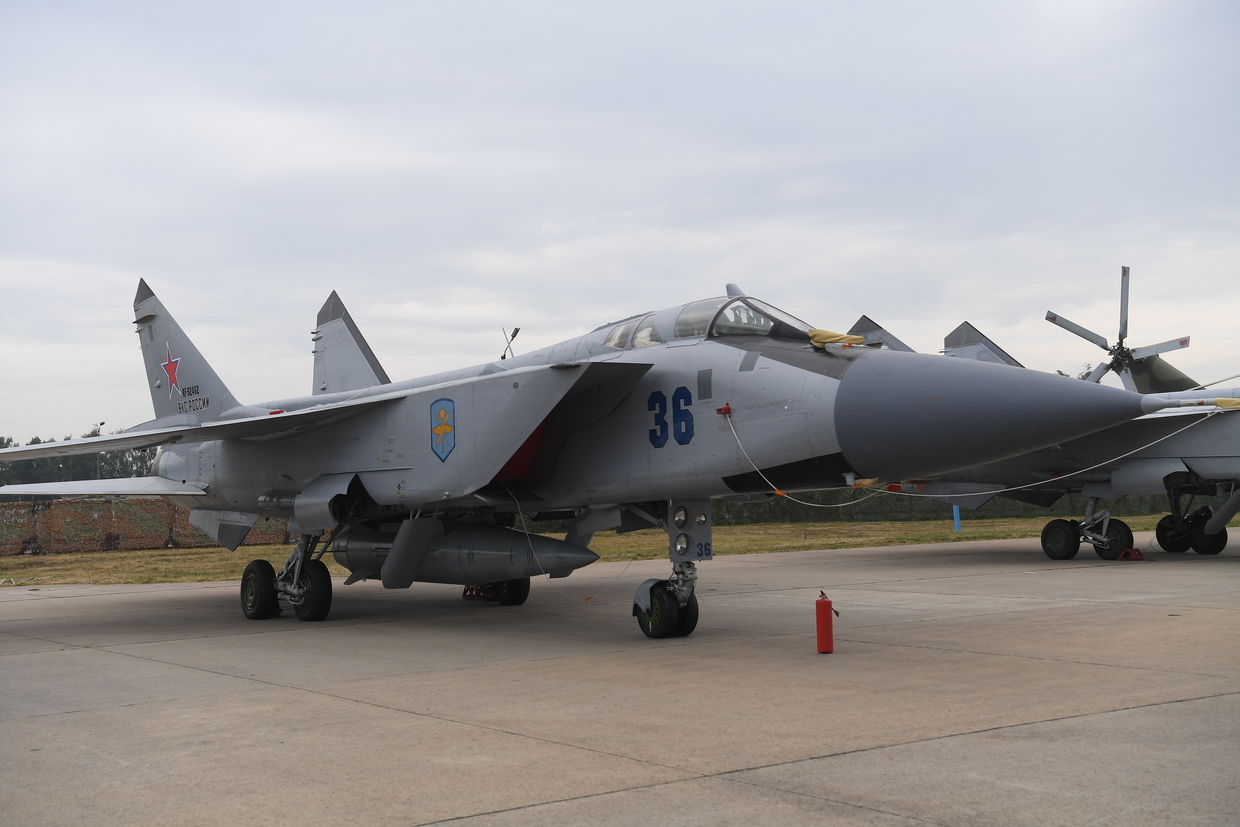
© Sputnik / Aleksey Kudenko
Anti-aircraft defenses
The VKS are responsible for anti-aircraft and missile defense save for the shortest-range systems used directly by units subordinate to Russia’s ground forces. The inventory includes assorted systems filling different roles.
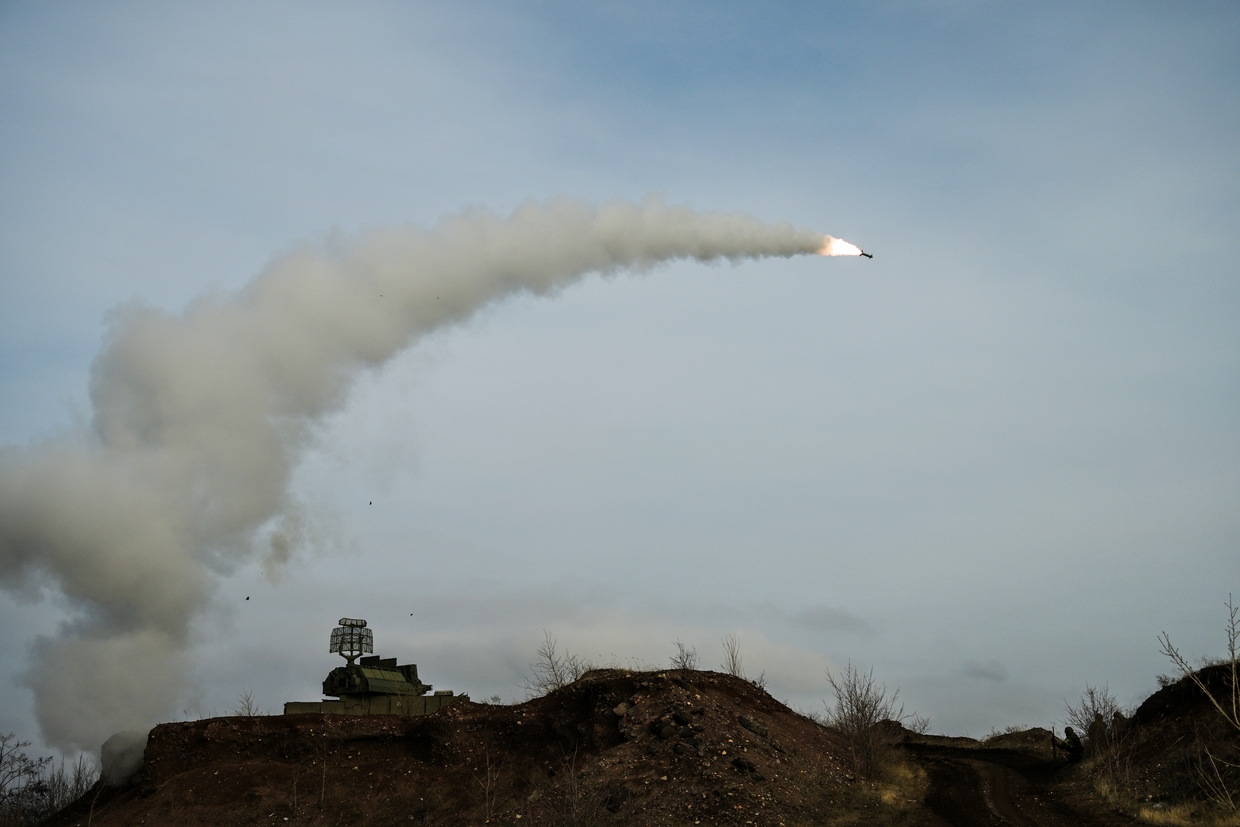
© Sputnik / Yevgeniy Biyatov
The S-300 and S-400 systems are the key elements in the medium-to-long range anti-aircraft defenses. The systems within the family, and the upcoming S-500 in particular, are believed to have capabilities to strike targets even in low Earth orbit, potentially serving as an anti-satellite weapon.
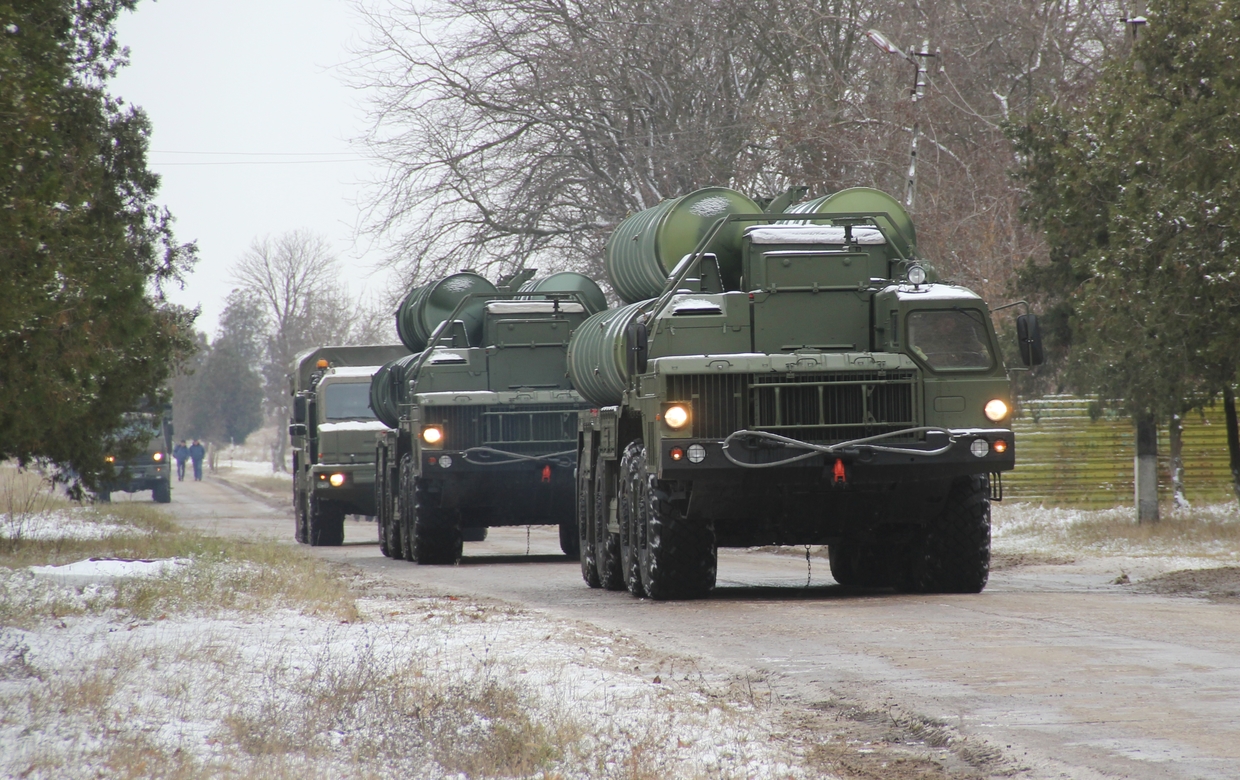
© Sputnik / Vladislav Sergiyenko
On the tactical level, the Pantsir-S system and its derivatives have emerged as one of the key tools in the Russian inventory. The system has proven to be highly efficient in the Ukraine conflict, providing cover to frontline troops and installations deep in the country’s territory alike.
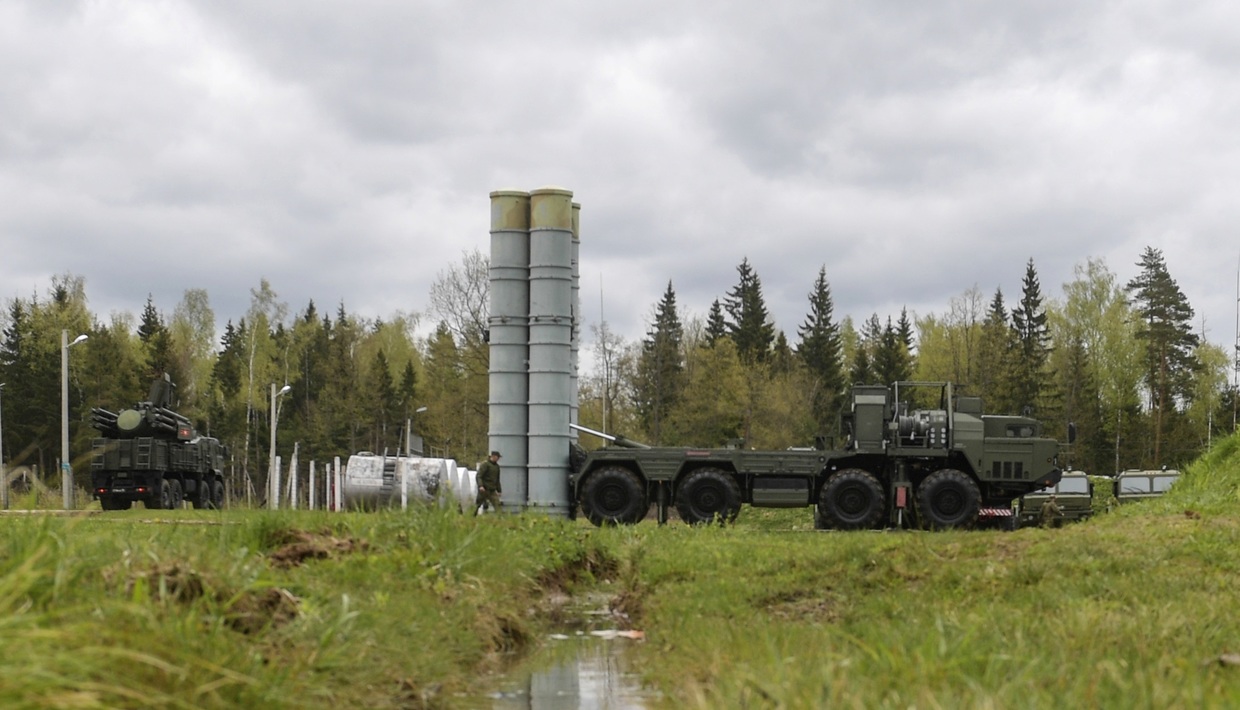
© Sputnik / Grigoriy Sysoyev
Space troops
The space component of the VKS is, rather unsurprisingly, the most secretive sub-branch of the entire force. The Space Troops are responsible for launching military satellites, maintaining long-range communications, gathering electronic intelligence, and providing early warning for missile attacks.
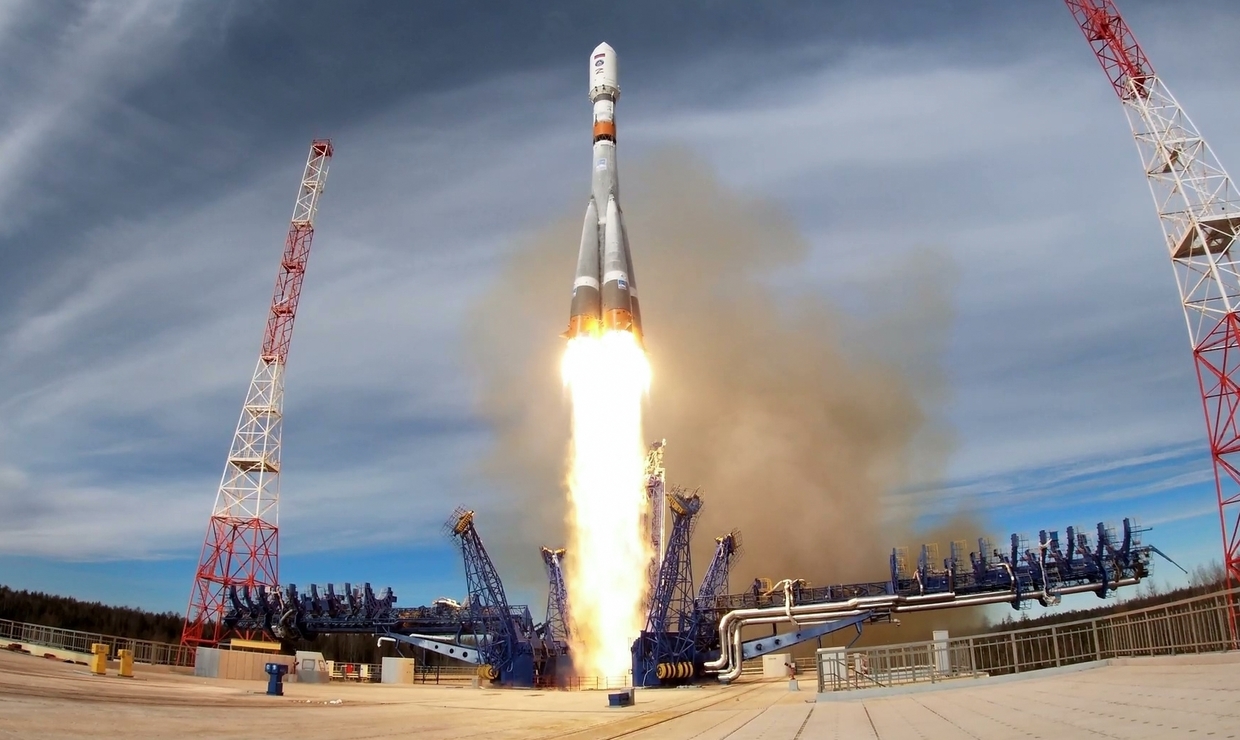
© Sputnik / The Russian Defense Ministry
It remains unclear whether the force actually has any strike capabilities in the domain, given that Moscow has long argued against the militarization of space. Recently, however, several unconfirmed Western media reports alleged that Russian military satellites approached other space vehicles and attempted to jam their communications.