As talks on a new defense deal stall, Kenya insists it should have full rights to investigate crimes committed on its soil
UK officials announced last month that they had cancelled a planned British army exercise in Kenya after the latter’s government did not grant the required permissions. The UK had said that the exercise, which normally happens in Laikipia, would instead be moved to another location. The announcement sparked speculation about the future of the Defense Cooperation Agreement (DCA) between Kenya and the UK.
Nelson Koech, chairperson of Kenya’s National Assembly’s departmental committee on defense, intelligence and foreign relations, told RT that the delay in issuing the approvals was not primarily about the military training itself but about scrutiny related to the new agreement that is intended to replace the existing framework governing British military activities in Kenya.
On July 28, Kenya and the UK announced that they had reached an understanding allowing military training to resume.
The new agreement is still not signed, however, because the parliament is blocking it.
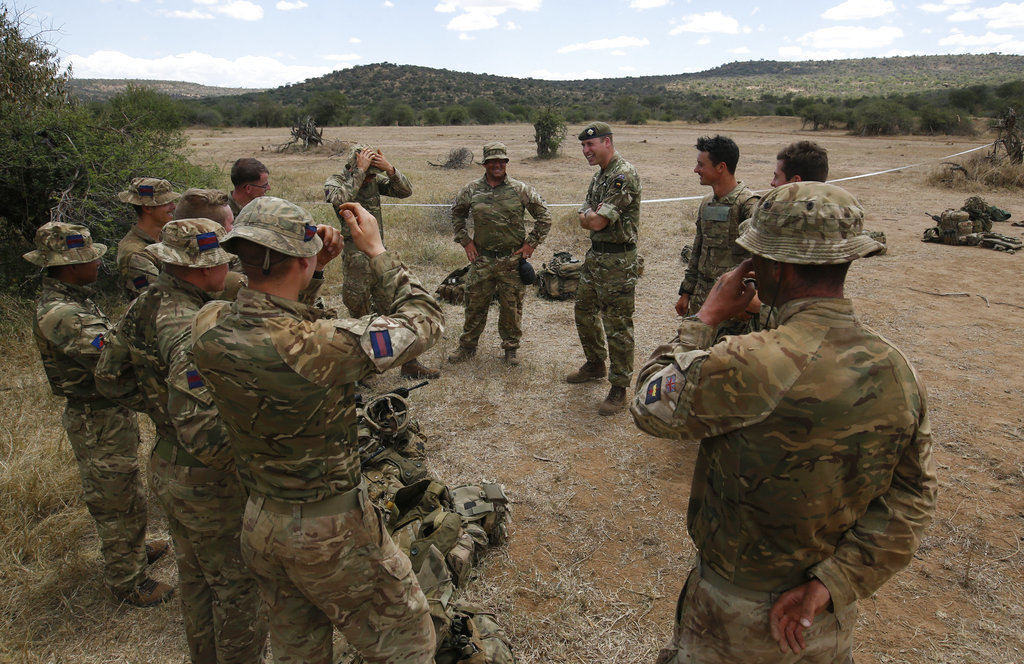
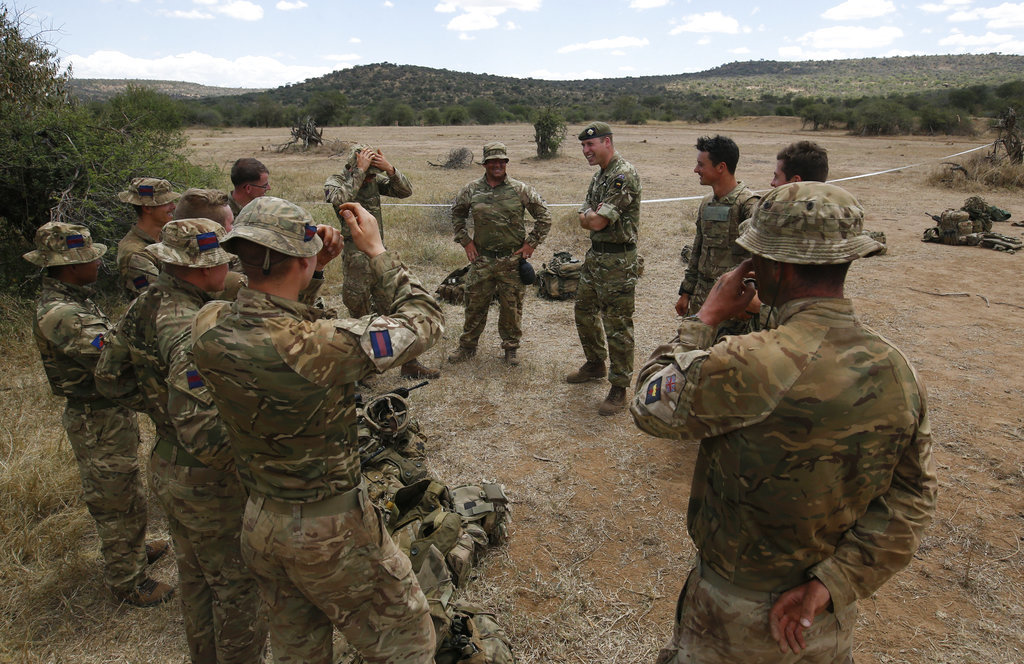
Britain’s Prince William, center right, speaks to soldiers during a visit to the 1st Battalion Irish Guards battle group, training under the British Army Training Unit Kenya (BATUK), Laikipia, Kenya, September 30, 2018.
When Kenya gained independence in 1963, the UK maintained its military presence in the African country. The security relationship has, over the decades, evolved around British Army Training Unit Kenya (BATUK), the UK’s permanent training support unit in Kenya.
In 2015, the two countries signed a five-year agreement on defense cooperation in Nairobi to replace older arrangements (it was ratified in 2016). It established the legal framework governing the presence of UK military personnel in Kenya, including training, logistics, and also criminal jurisdiction over British troops.
In the agreement, Britain retained powers to investigate and prosecute officers accused of committing serious crimes such as murder and rape. This remains one of the major issues that has stalled the signing of a new agreement.
The new agreement (from 2021) outlined a broader framework for defense cooperation. However, unlike the previous agreement, which was ratified by Kenya’s parliament, the new one has never entered into force. Kenya’s legislature withheld ratification after raising reservations over key points, particularly those relating to criminal jurisdiction over British soldiers, accountability for alleged abuses, and the protection of Kenyan communities affected by BATUK activities.
Kenya wants to have jurisdiction to investigate and prosecute British soldiers accused of committing serious crimes. The 2016 agreement continues to operate through mutual extensions, while negotiations on a revised text go on.
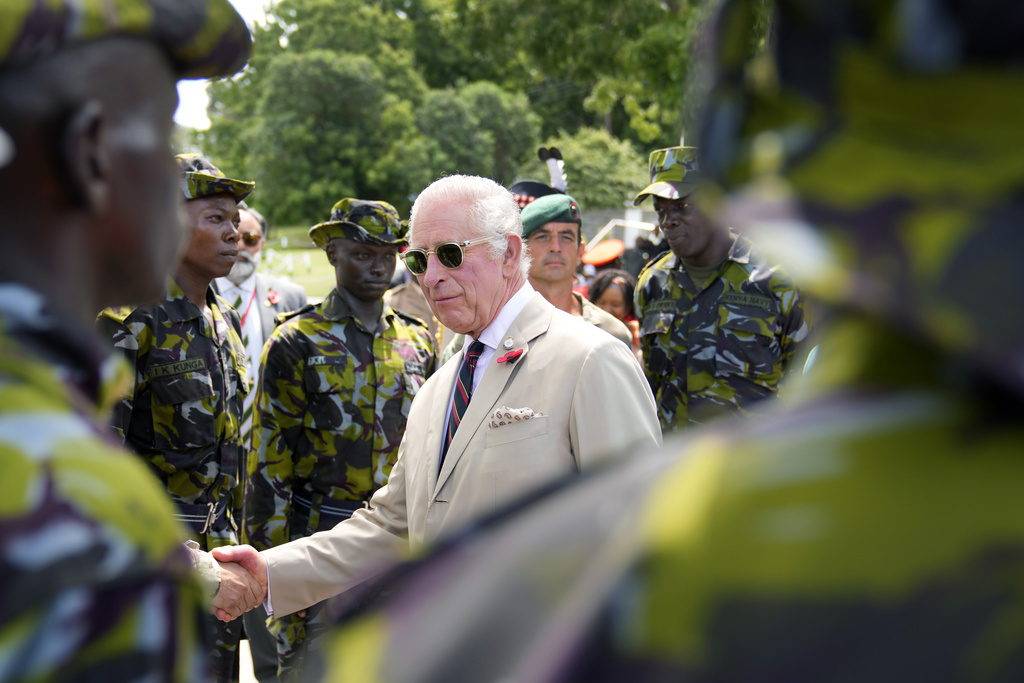
Britain’s King Charles III, center, shakes hands with soldiers during a visit to the Mtongwe Naval Base, Mombasa, Kenya, November 2, 2023.
The issue became increasingly controversial more than a decade ago following allegations of misconduct by British troops, including the 2012 murder of Agnes Wanjiru, claims of sexual abuse, environmental damage, and injuries linked to military training.
In March 2012, Wanjiru, a Kenyan woman who was 21 at the time, was found murdered moments after she had been spotted in the company of British soldiers in the town of Nanyuki, where BATUK is housed, about 200km north of Nairobi.
Wanjiru’s body was discovered in a hotel septic tank. Soldiers from BATUK, which hosts up to six British infantry battalions for training each year, were blamed for her death.
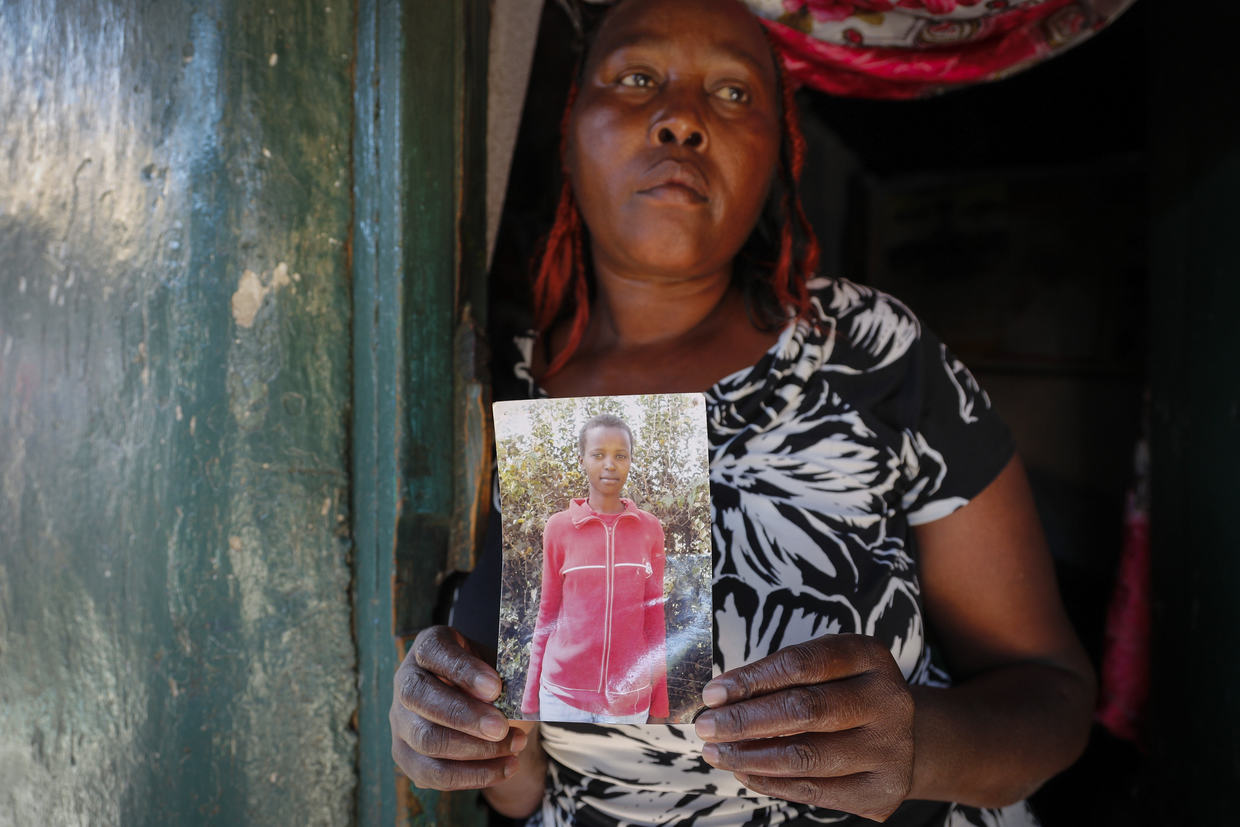
Rose Wanyua Wanjiku, elder sister to Agnes Wanjiru, 20, holds a photograph of Agnes, at Rose’s house in the Majengo informal settlement in Nanyuki, Kenya, November 4, 2021.
In a 2024 report, the Kenya National Commission on Human Rights (KNCHR) said investigations into reported rights violations are often frustrated by both the Kenyan and UK authorities. In the report, KNCHR documented cases of reported killings, alleged sexual violence and exploitation, arbitrary arrests, environmental degradation, and infringement on community land.
In August 2023, Kenya’s parliamentary defense, intelligence and foreign relations committee officially launched an inquiry into BATUK activities. The probe was to look into human rights violations by British soldiers, including the murder of Wanjiru and the Lolldaiga community conservancy fire incident in 2015, which happened amid BATUK activities in the area.
The committee collected views from residents, victims, the government and community leaders. Two years of investigation saw the committee receive submissions from the Inspector General of Police, the Ministry of Defense, the Human Rights Commission, and the Anti-Corruption Commission. Members of the public from Isiolo, Samburu, and Laikipia, regions where BATUK soldiers operate, also shared their views.
In November of last year, the parliamentary committee tabled a report on the inquiry into BATUK’s conduct. The committee concluded that stronger accountability measures were needed before a new agreement could be approved.
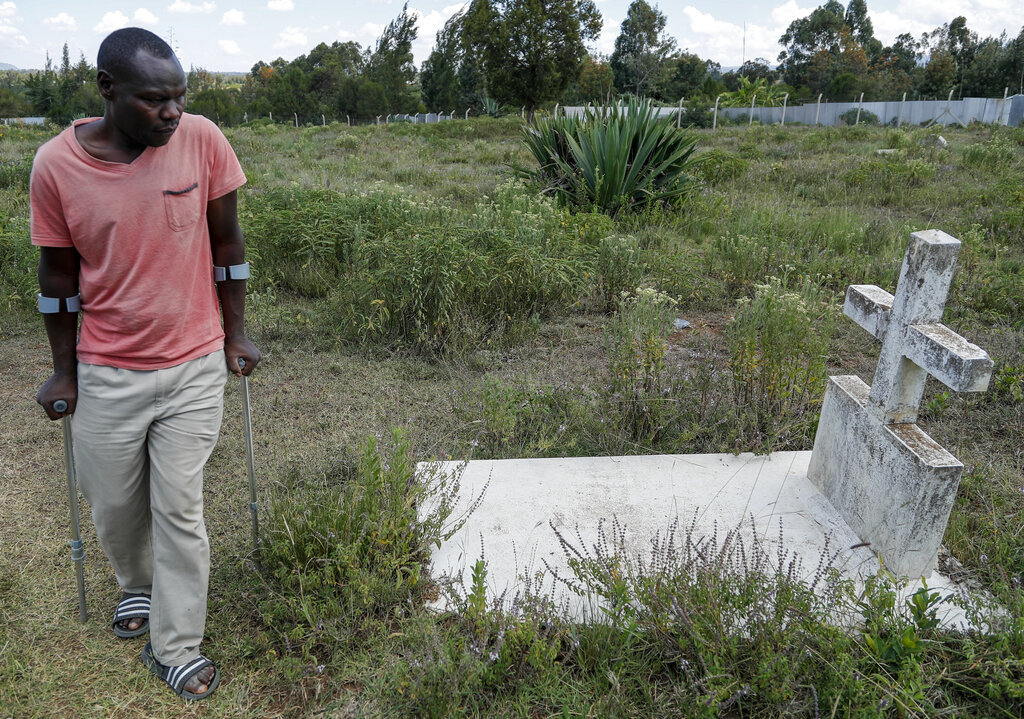
John Muchiri Kamunge, brother-in-law of Agnes Wanjiru, who was allegedly killed by a British soldier in 2012, visits her grave at a cemetery, Nanyuki, Kenya, November 4, 2021.
“It makes no sense to deny Kenya the right to prosecute crimes committed within its boundaries”
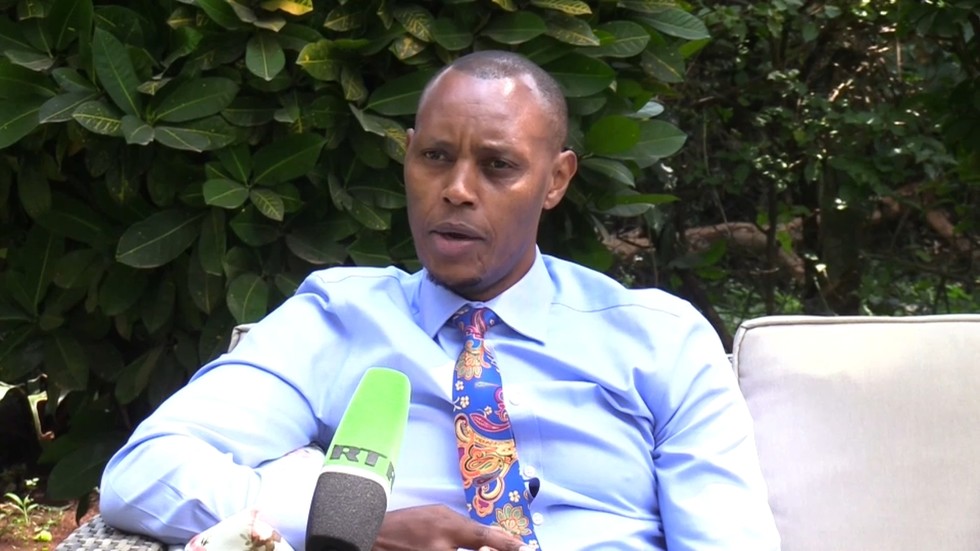
Nelson Koech, the chairperson of the parliamentary committee that launched the inquiry, told RT that the postponement of the signing of a new agreement was partly due to disagreements over the legal jurisdiction for British troops stationed in Kenya.
“The question of who should investigate and prosecute British soldiers accused of crimes like murder and rape remains contentious and is likely to drag the ongoing negotiations and eventual drafting of the final agreement,”stressed Koech.
According to Koech, while Britain wants to retain primary jurisdiction over offenses committed by its personnel while on official duty, Kenya wants to have absolute authority to investigate and prosecute British soldiers on its territory.
“It makes no legal or sovereignty sense to deny Kenya the right to investigate and prosecute crimes committed within its boundaries,”he told RT.
Speaking on the delay in signing the new agreement, Georgina Woodhouse-Hills, head of communications at the British High Commission in Nairobi, told RT that the UK “deeply values the defense relationship with Kenya, which delivers a broad and mutually beneficial program of cooperation in training, education and capability development, geared towards countering shared threats.”
“The Defense Cooperation Agreement underpins this relationship,” she said, adding that British authorities are working closely with the government of Kenya.
“The new agreement will set the scale of ambition for our partnership with Kenya for the next five years,” she told RT.
How the two cases against the British army are developing
There has been growing public scrutiny of BATUK following years of allegations of human rights violations, including murder, sexual assault, environmental damage and military training fires, unexploded ordnance injuring civilians, and compensation disputes involving affected communities and victims.
BATUK requested that the Kenyan High Court dismiss the lawsuit filed by Wanjiru’s family in November 2023, arguing that Kenyan courts lacked jurisdiction over any case involving a UK Army unit in the country.
Wanjiru’s family felt closer to justice in April 2025, when UK Defence Secretary John Healey visited them and pledged full support for the investigation. Last June, a British soldier was finally arrested for allegedly raping a woman inside a bar in Nanyuki. He was later taken back to the UK.
On September 16, 2025, Kenya’s Office of the Director of Public Prosecutions (ODPP) said that a British court had issued a warrant of arrest for Robert James Purkiss, the soldier accused of killing Wanjiru. Later ODPP confirmed the arrest of Purkiss in the UK.
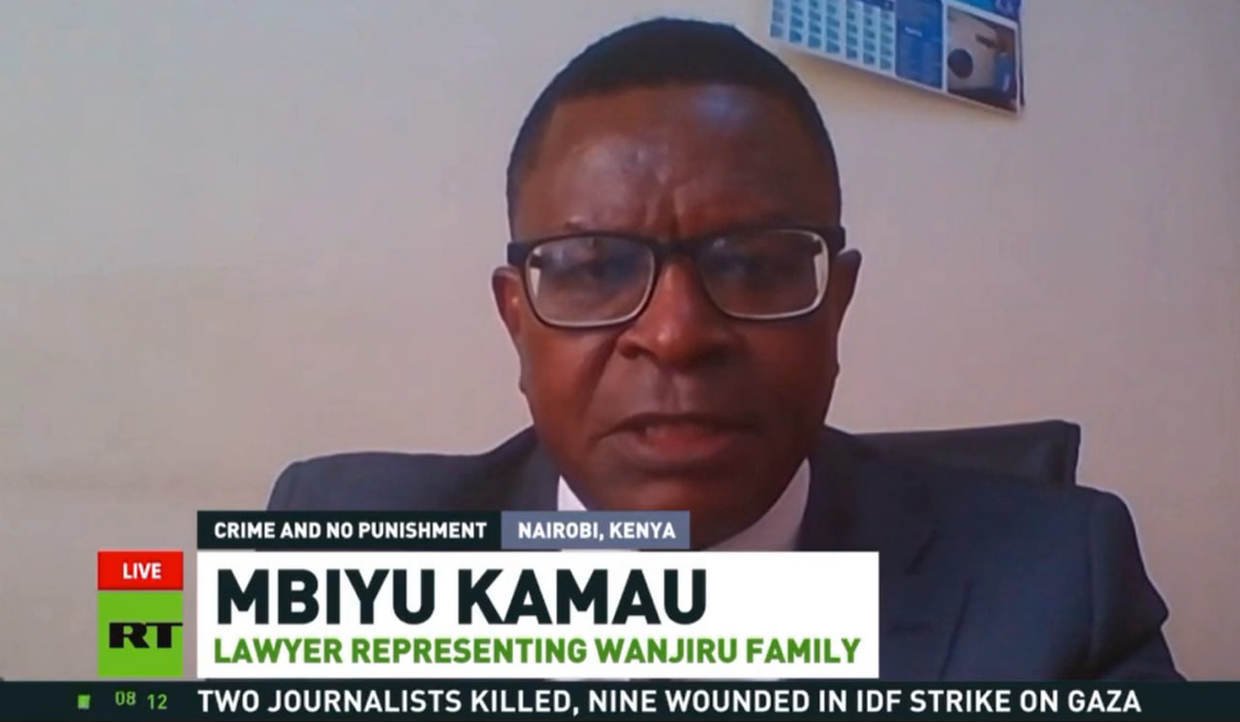
Mbiyu Kamau, a lawyer representing Wanjiru’s family, had been contesting the British Army’s argument that its soldiers cannot be prosecuted in Kenya for the murder.
Additionally, in 2024, Kenyan lawyer Kelvin Kubai, in collaboration with a British law firm, filed a case in a UK court on behalf of ten biracial children, seeking to compel the British Army to reveal the identities of the soldiers who fathered them. Last August, a court in the UK delivered a landmark ruling when it ordered the release of the names, contacts, and last known addresses of 11 British soldiers alleged to have fathered and abandoned children in Kenya.
In a report tabled before the National Assembly in 2023, the Koech-led committee recommended approval of the agreement. Still, only after amendments were made to key provisions did it say they conflict with the constitution.
The committee specifically proposed changes to Articles 6(5) and 23 of the agreement. Under this article, lawmakers want murder expressly included among offences that fall under the jurisdiction of Kenyan courts. Under the current agreement, any British soldier accused of murder while on duty in Kenya can only be investigated and prosecuted by the UK under UK law.
The committee also wants Article 23 amended to require BATUK to undertake mandatory corporate social responsibility (CSR) programs in communities where it operates.
Although the article requires visiting British troops to respect local customs, compensate for damage and address sexual exploitation, it, as of now, contains no obligation for structured community investment.
The committee is also pushing for stronger accountability measures, including jurisdiction over serious offenses, enhanced protection of local communities and implementation of recommendations arising from the BATUK inquiry.
“We want the government to carry out an audit of foreign military activities”
Civil society organizations have petitioned Kenya’s parliament, arguing that ratifying the new defense agreement with the UK without stronger accountability provisions would entrench legal immunity for foreign troops.
The petitioners are pushing for Kenya to have the power to exercise jurisdiction over crimes committed on its soil and for communities affected by BATUK activities to be given stronger legal protections.
Human rights activist Bob Njagi, leader of the Free Kenya Movement and one of the petitioners, says the agreement must uphold Kenya’s sovereignty.
“Any agreement must recognize that Kenya is a sovereign state and must be allowed to independently handle any crimes committed by foreign troops against its people,”Njagi told RT.
The petitioners are also pushing for independent investigations into unresolved cases linked to BATUK operations, compensation for victims and their families, and greater public participation in negotiating any future defense agreement.
“We want the government to carry out an audit of foreign military training activities in the country before a new DCA is signed,”stresses Njagi.
Meanwhile, a 2025 investigation by the British Army found that some UK soldiers stationed at the BATUK base continue to engage the services of sex workers despite being banned from doing so.
The report said that the BATUK soldiers used sex workers “at a low or moderate” rate and called for more work to stamp out the practice. The investigation, which was commissioned in October 2024, covered a period of more than two years, dating back to 2022.
Former speaker of Kenyan parliament Justin Muturi says the UK cannot continue using the argument that BATUK brings economic benefits to local communities while turning a blind eye to the atrocities being committed by its soldiers.
“The truth is that the DCA is skewed in Britain’s favor. The atrocities committed by British soldiers outweigh the little benefits they are talking about,”Muturi told RT.
“Kenya must not give in, and the parliamentary committee must stand its ground and ensure that the recommendations they made are fully agreed upon and captured before any new agreement can be signed,” he concluded.