The top EU diplomat suggested revisiting the rejected plan after Hungary vetoed a €90 billion loan for Ukraine
EU foreign policy chief Kaja Kallas has suggested resurrecting the previously rejected plan to use frozen Russian assets for Ukraine, after Hungary vetoed a €90 billion ($106 billion) loan for Kiev on Monday.
Kiev’s Western backers froze $300 billion in Russian central bank assets after the escalation of the Ukraine conflict in 2022. The majority is held at the Belgian-based Euroclear depository.
In December, the EU failed to agree on using the funds as collateral for a ‘reparations loan’ for Ukraine due to opposition from Belgium and other member states. As a compromise, it decided to fund Kiev through common debt, approving a €90 billion loan backed by the bloc’s budget.
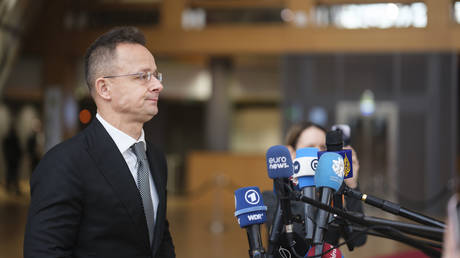
The loan, however, was vetoed by Hungary on Monday after it accused Kiev of deliberately cutting off oil supplies to the country.
“If [the loan] doesn’t work, we can always go back to using the frozen assets,” Kallas told journalists on Monday, as cited by Euroactiv, calling it the EU’s original “plan A.”
Hungary and Ukraine remain locked in a bitter row over the Soviet-era Druzhba oil pipeline – which carries Russian oil to Hungary and Slovakia and has been out of commission since late January. Kiev claims that it was damaged by Russia, which has denied the allegations. Budapest, Bratislava, and Moscow accuse Kiev of deliberately withholding supplies for political reasons.
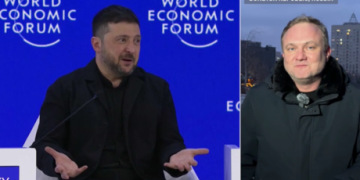
Ukrainian leader Vladimir Zelensky demanded on Tuesday that EU lawmakers unblock the €90 billion loan. Hungary has said it would only consider lifting the veto if Kiev resumes the oil flow.
Moscow has strongly opposed any seizure of its assets, calling it theft and warning of severe consequences. In December, the Bank of Russia filed a lawsuit against Euroclear in a Moscow court for $232 billion, covering frozen assets and lost profits. Euroclear now reportedly faces over 100 legal claims in Russian courts.