January 15, 2026, 4:44 pm
The spectacular images of China’s swarming vessels intimidating Filipino navy, coastguard and even impoverished fisherfolk highlight the extraordinary challenges that have driven a seismic shift in the Philippines’ defence and foreign policy posture. However, largely ignored by the international media has been the struggle to bring peace and stability to the restive island of Mindanao in the country’s south. Yet, the ability of the Philippines to pivot its armed forces to territorial defence and engage in an audacious military modernisation agenda is largely dependent on the success of the Bangsamoro peace process. Despite an unprecedented period of peace and stability since the establishment of the Bangsamoro Autonomous Region in Muslim Mindanao in 2019, there are grave concerns that compounding risks and vulnerabilities have the region moving towards an inflection point.
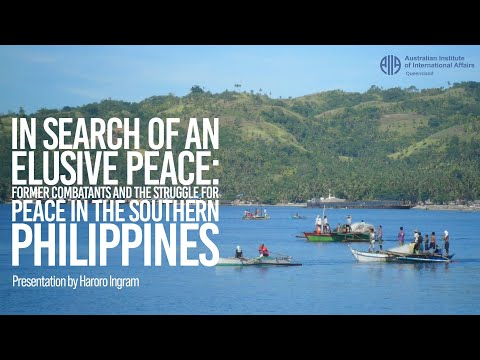
Drawing on years of field work and interviews with over two hundred former combatants, mostly from pro-Islamic State factions of rebel groups, this presentation offers rarely seen insights into the ground-level struggles to uphold peace and ceasefire agreements and the pivotal role of former combatants as barometers for the state of the peace process and harbingers for the future. The findings of this Guggenheim-funded project offer important insights into the major drivers and motivational pathways in and out of violent revolutionary groups with significant policy and programmatic implications. If the Philippines is to re-posture for territorial defence, it will first need to succeed in the province-by-province struggle to sustainably win the peace in Mindanao.
Content Creator – Australian Institute of International Affairs