• About
  • Advertise
  • Privacy & Policy
  • Contact
Wednesday, March 25, 2026
  • Login
  • Register
thehopper.news
  • Home
    • Home
    • About
    • Editorial Standards
    • Methodology & Sources
  • Briefings
    • Weekly
  • Analysis
  • Regions
    • Africa
    • Americas
    • Asia-Pacific
    • Europe & NATO
    • Middle East & North Africa
    • Russia & Eurasia
  • Themes
    • Energy & Reources
    • Intelligence & Security
    • Economics & Sanctions
    • Foreign Relations & Diplomacy
    • Cyber & Disinformation
  • Video
  • Aggregated
    • RT
    • Opinion
    • News
    • Geopolitics
    • Politics
    • Business
    • World
No Result
View All Result
thehopper.news
No Result
View All Result
Home Aggregated News

Brussels and Washington strike again. Will Russia bend?

by Admin
October 27, 2025
in News, Politics, World
0
Brussels and Washington strike again. Will Russia bend?
28
SHARES
112
VIEWS
Share on FacebookShare on Twitter

Published: October 27, 2025 8:10 pm
Author: RT

New Western sanctions mark the start of another phase in the Ukraine conflict

The European Union and the United States have once again announced new sanctions against Russia. This time almost simultaneously. Brussels has finally approved its long-discussed 19th sanctions package. Although Slovakia and Hungary initially opposed it, their objections were overcome. Yet, despite the political fanfare, the new measures are unlikely to deliver a serious blow to the Russian economy. Moscow anticipated them well in advance.

As usual, the EU has expanded its list of sanctioned individuals and companies. The inclusion of industrial enterprises in these lists has become routine, and their effect increasingly symbolic. More interesting are the secondary sanctions targeting Chinese companies involved in buying and processing Russian oil. Brussels hopes to deter Chinese businesses from handling Russian commodities. Whether that works is doubtful. Oil imports from Russia are profitable for China, and any external interference is likely to provoke irritation and possible retaliation from Beijing.

The EU has also extended restrictions on Russian banks. But since the sector is already under heavy US sanctions, the additional European measures will change little. The list of sanctioned oil tankers has grown, though this too seems more cosmetic than consequential because Russia’s so-called “shadow fleet” continues to operate effectively, avoiding Western oversight.

In another familiar move, the EU is targeting financial institutions in third countries that maintain ties with Russia, especially those using the Russian equivalents of Western payment systems – the Financial Messaging System (SPFS), Mir, and the Faster Payments System (FPS). Export controls are being tightened, but the additions to the already massive Regulation 833/2014 are modest compared to the sweeping bans introduced in 2022–2023.

Read more

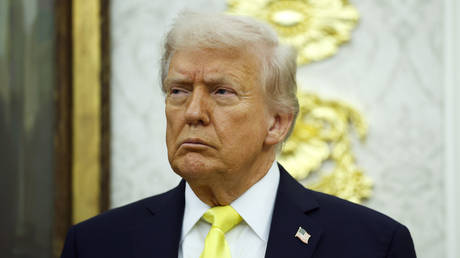
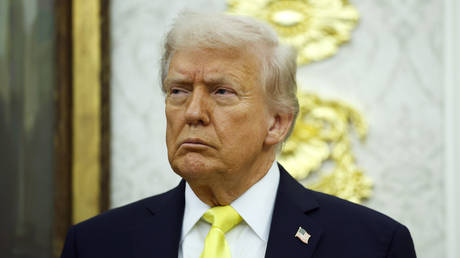
US President Donald Trump.
How Washington’s crusade against Russian oil went sideways

Other measures appear more symbolic than strategic. Brussels has banned the provision of services to Russia’s tourism sector and introduced new restrictions on the movement of Russian diplomats — steps that recall the old Cold War playbook. The prohibition on importing Russian liquefied natural gas (LNG) may sound significant, but it simply formalizes a process already under way as European buyers quietly reduced purchases months ago.

Across the Atlantic, Washington’s new sanctions appear more focused, but not necessarily more effective. President Donald Trump’s administration has imposed blocking sanctions on two major Russian energy companies and their subsidiaries. Given that the energy sector is already constrained by wide-ranging export controls, this changes little in substance. Yet the decision is politically symbolic. It represents the first major sanctions move by Washington since Trump returned to the White House, a signal that US domestic hawks have regained influence.

The reintroduction of sanctions marks a negative indicator – a sign that prospects for resolving the Ukraine crisis are receding. Officially, Washington claims these steps are designed to “encourage a ceasefire.” In reality, they reflect a deepening stalemate. Russia has made clear that a ceasefire alone will not solve anything; it would merely freeze the conflict without addressing its root causes. Any durable solution must be comprehensive and reflect Moscow’s long-stated security demands.

Instead, the new sanctions suggest the conflict is entering a new phase, one of intensified pressure and prolonged confrontation. Both sides are now maneuvering for advantage ahead of future negotiations that may come sooner or later. For now, the hawks in the Western camp appear to have succeeded in steering US policy back toward escalation. But the likely result will not be strategic gain for the West – only further damage to Ukraine, which continues to pay the price for the ambitions of others.

This article was first published in Kommersant, and was translated and edited by the RT team.

Full Article

Tags: Russia Today
Share11Tweet7
Previous Post

Argentinа’s Milei secures crucial mid-term victory

Next Post

Nearly half of Germans believe Merz’s government doomed – poll

Admin

Admin

Next Post
Nearly half of Germans believe Merz’s government doomed – poll

Nearly half of Germans believe Merz’s government doomed – poll

  • Trending
  • Comments
  • Latest
The TRUTH behind the Secret Space Program and Alien Recovery is starting to come out

The TRUTH behind the Secret Space Program and Alien Recovery is starting to come out

January 19, 2026
European military stocks fall as Ukraine peace hopes rise

European military stocks fall as Ukraine peace hopes rise

August 20, 2025

New Mossad recruitment ads exploit Iran’s unrest with help from US comedian

January 19, 2026
Iranian drone intercepted over Dubai UAE March 2026 Operation Epic Fury

The Hopper Daily Brief — March 3, 2026 — Iran Escalates Against Gulf Targets

2
Smoke rising over Manama Bahrain near U.S. Fifth Fleet headquarters following Iranian missile strike February 2026

Bahrain’s Shia Majority Threatens the U.S. Navy’s Most Critical Gulf Command Node

2
Oil tankers idle in Persian Gulf and Trump demands Iran unconditional surrender — week of March 1–7, 2026 Hopper Weekly Brief

The Hopper Weekly Brief — Week 10, March 1-7, 2026

2

Army paratroopers ordered to Middle East as U.S. weighs next Iran move

March 25, 2026
He Predicted The War in Iran Now Prof. Jiang Predicts This Will Become Trump’s Vietnam | Redacted

He Predicted The War in Iran Now Prof. Jiang Predicts This Will Become Trump’s Vietnam | Redacted

March 25, 2026

Oil at $150 will trigger global recession, says boss of financial giant BlackRock

March 25, 2026
thehopper.news

Copyright © 2023 The Hopper New

Navigate Site

  • About
  • Advertise
  • Privacy & Policy
  • Contact

Follow Us

Welcome Back!

Login to your account below

Forgotten Password? Sign Up

Create New Account!

Fill the forms bellow to register

*By registering into our website, you agree to the Terms & Conditions and Privacy Policy.
All fields are required. Log In

Retrieve your password

Please enter your username or email address to reset your password.

Log In

Add New Playlist

No Result
View All Result
  • Home
    • Home
    • About
    • Editorial Standards
    • Methodology & Sources
  • Briefings
    • Weekly
  • Analysis
  • Regions
    • Africa
    • Americas
    • Asia-Pacific
    • Europe & NATO
    • Middle East & North Africa
    • Russia & Eurasia
  • Themes
    • Energy & Reources
    • Intelligence & Security
    • Economics & Sanctions
    • Foreign Relations & Diplomacy
    • Cyber & Disinformation
  • Video
  • Aggregated
    • RT
    • Opinion
    • News
    • Geopolitics
    • Politics
    • Business
    • World

Copyright © 2023 The Hopper New

This website uses cookies. By continuing to use this website you are giving consent to cookies being used. Visit our Privacy and Cookie Policy.