Are we witnessing a new blossoming in relations between West Jerusalem and Washington?
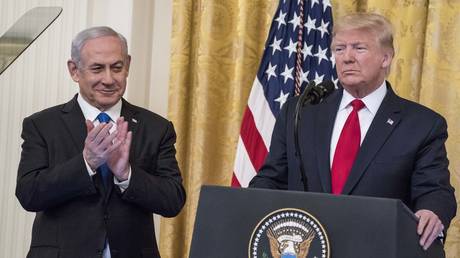
Donald Trump’s reelection as president marked a pivotal moment in US-Israel relations. In early February, Israeli Prime Minister Benjamin Netanyahu visited Washington. His meeting with Trump was not necessarily historic, but it marked a turning point and had significant implications for Middle Eastern politics. More than a formal diplomatic engagement, the discussions carried weight for both nations’ future policies in the region.
The United States has long been Israel’s closest ally, but Washington’s approach to Middle Eastern affairs has shifted under different administrations. Trump’s first term saw a stark contrast from previous US policies, aligning closely with Netanyahu on major issues such as Iran, Jerusalem’s status, Israeli settlements in the West Bank, and the Abraham Accords.
Key issues on the agenda
The Netanyahu-Trump meeting reaffirmed America’s unwavering support for Israel. The two leaders also discussed potential initiatives to stabilize the region. Considering the ongoing Israeli-Palestinian conflict, security concerns and possible resolutions, including Trump’s proposed “deal of the century,” were given particular attention.
Netanyahu’s trip to Washington confirmed that the US and Israel agree that Iran cannot have nuclear weapons, even if their approaches to resolving the issue and time frames vary. Trump emphasized that his administration would prioritize negotiations for a new comprehensive agreement with Iran, covering not only its nuclear program but also broader regional issues.
Trump indicated that if the negotiations failed or it became known that Iran was taking steps to create nuclear weapons, he would support Israeli military action against Iranian nuclear facilities. To increase pressure on Tehran, the Trump administration officially reinstated its “maximum pressure” campaign which had been a cornerstone of his first term in office.
However, during the talks in Washington, Netanyahu and the Trump administration did not come up with a unified plan on ending the conflict in Gaza. The diplomatic dialogue between Israel and Hamas remains complicated due to fundamental disagreements over the political and military future of Gaza. It is still unclear whether Israel will adhere to the ceasefire steps agreed upon with Hamas or consider Trump’s alternative proposals, which include relocating Gaza’s residents.
Trump’s ideas, including his suggestion that the US should take control of Gaza, have been largely condemned by global and regional leaders as illegal and unrealistic. However, some interpreted these remarks as an indication that the international community needs to be actively involved in the region’s post-war recovery.
Strengthening diplomatic and military ties
A week after Netanyahu’s meeting with Trump, US Secretary of State Marco Rubio arrived in Israel for an official visit. As part of his Middle East tour, Rubio met with the Israeli leader in Jerusalem to discuss key regional security challenges, including the armed conflict in Gaza, the growing threat from Iran, and prospects for a ceasefire in Lebanon.
Following their meeting, Rubio and Netanyahu held a joint press conference where Rubio expressed strong support for Israel’s position, noting that he fully agrees with Netanyahu that Iran is “the single greatest source of instability in the region.” Rubio also confirmed that the US considers it impermissible for Iran to acquire nuclear weapons, noting that Washington will continue to exert pressure on the Iranian leadership through diplomatic and economic means.
Rubio’s visit to Israel marked a significant foreign policy victory for Netanyahu, strengthening his domestic positions. In the midst of political strife and complex coalition dynamics, demonstrating solid ties with a key ally makes Netanyahu more popular among voters. Washington’s support allows Netanyahu to position himself as a guarantor of Israel’s security and as a leader who is capable of ensuring the international recognition of his government’s actions.
Netanyahu’s strategic goals
Netanyahu’s visit to Washington was not just about diplomacy — it was a calculated move aimed at securing vital commitments from Trump. Amid tensions in the Middle East and mounting international criticism of Israel’s military actions in Gaza, Netanyahu sought to leverage his personal relationship with Trump to strengthen Israel’s global standing.
His primary objectives included:
Securing continued military aid: Israel requires advanced weaponry, including air defense systems, munitions, and strategic technologies.
Ensuring US political backing in case of escalation: With a potential military strike on Iran still on the table, Netanyahu needed Trump’s diplomatic and military support if necessary.
Increasing US pressure on Arab nations: Despite Israel’s peace agreements with several Gulf states, Netanyahu pushed for US involvement in encouraging Arab governments to support Israeli initiatives.
Blocking anti-Israel resolutions in international organizations: Netanyahu sought assurances that Washington would prevent anti-Israel measures in the UN and other global institutions.
The political implications for Netanyahu
Beyond securing US support for Israel, Netanyahu’s visit had clear domestic political motivations. Facing increasing opposition at home, criticism over the Gaza conflict, and legal battles, he understood that strong ties with the US were crucial not only for Israel’s security but also for his own political survival.
His tense relationship with the administration of former President Joe Biden had made US support less certain. While Biden backed Israel, he was more responsive to international criticism and pushed for humanitarian aid to Palestinians. In contrast, Trump’s first term saw US-Israel relations at their peak, with policies highly favorable to Netanyahu’s government.
With Trump returning to the White House, Netanyahu sought to renew this strong alliance. His visit to Washington was part of a long-term strategy to secure Israel’s future and his own political career.