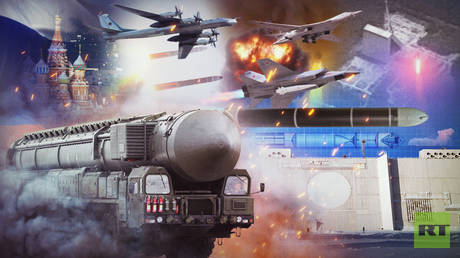
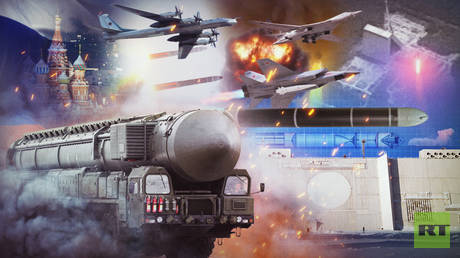
From SCUDs and Tochkas to Iskanders and drones, post-Soviet states reshape their arsenals while balancing legacy and new tech
The dissolution of the Soviet Union entailed not only the redrawing of political borders, but also the redistribution of one of the most extensive and technologically sophisticated missile infrastructures ever assembled. Across the newly independent states, missile brigades, launch platforms, storage facilities, airbases, and elements of an integrated military-industrial system remained in place, embedded within national territories that had only just acquired sovereignty.
This overview examines the development of military missile technologies and long-range missile systems in the former Soviet republics, excluding Russia, Ukraine, and the Baltic states (which were covered in previous installments of this series). The trajectory of these programs was shaped decisively by the legacy of the Soviet armed forces, whose units, logistical networks, and technical personnel were stationed across the republics at the time of the USSR’s dissolution.
The inherited infrastructure, doctrinal frameworks, and maintenance capacities formed the structural foundation upon which subsequent national missile capabilities were constructed.
In the sphere of strategic and nuclear armaments on the territories of what became the Commonwealth of Independent States, the reorganization process followed a clear and coordinated pattern. Beginning in the spring of 1991 and continuing over the next several years, nuclear warheads assigned to front-line missile systems, air defense complexes, and strategic delivery vehicles were systematically removed. Strategic missile formations stationed in Kazakhstan, Ukraine, and Belarus were withdrawn.
But the consolidation of nuclear assets did not eliminate missile capabilities from the post-Soviet space. Operational-tactical systems, technical specialists, production linkages, and maintenance facilities remained embedded within several of the new states. Over the following decades, these assets underwent reduction, modernization, selective procurement, and, in some instances, renewed expansion. The resulting missile landscape reflects a layered inheritance of Soviet military planning, adapted to distinct national security priorities and evolving regional alignments.
Kazakhstan’s missiles: legacy, transition, and strategic restraint
Kazakhstan is a vast, multi-ethnic nation situated to the south of Russia’s central and eastern regions. It maintains a carefully measured political stance and balanced military forces. In the post-Soviet era, Kazakhstan transferred the largest intercontinental ballistic missiles, the R-36M Voivoda (SS-18 SATAN), to Russia. The Russian spaceport and missile test site at Baikonur are located in Kazakhstan, along with the Sary-Shagan anti-ballistic missile range.
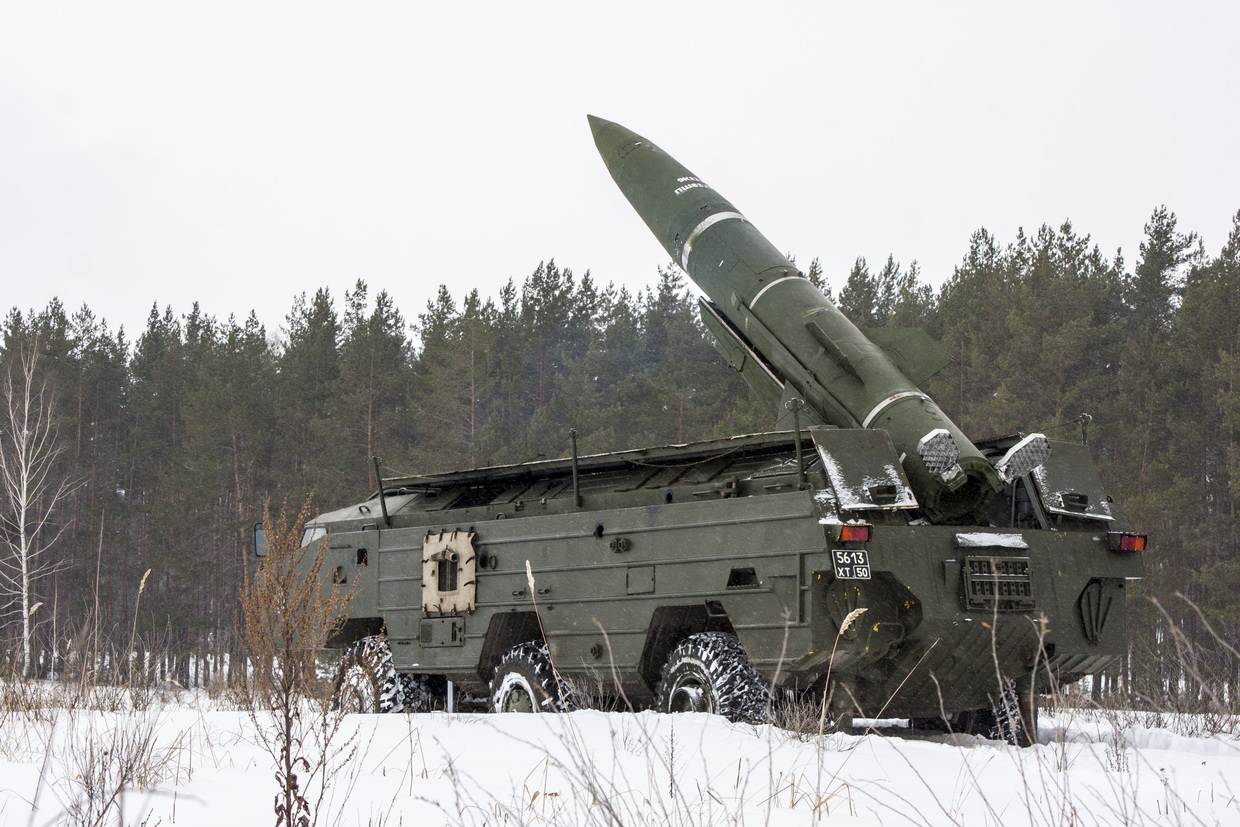
The Kazakhstan armed forces include the 44th Missile Brigade. In the 1990s, it transitioned from 9K72 to 9K79 Tochka missile systems.
The 9K72 missiles are known since Operation Desert Storm, which was conducted in Iraq by a multinational coalition led by the US. This liquid-fueled ballistic missile has a range of up to 300km and is launched from a mobile platform based on the MAZ-543 truck. By the early 1990s, it was the most widely deployed missile system within the Soviet Army’s ground forces; it was gradually replaced by the more compact and mobile solid-fuel Tochka missile system. Although Tochka had a shorter range (up to 120km), it offered significantly greater mobility and operational characteristics.
By the end of the 2010s, most of these missile systems were taken out of service, with only 12 out of 45 launchers remaining operational.
In 2014, Kazakhstan reached out to Rosoboronexport regarding the potential acquisition of Iskander-M missile systems, but no deliveries have occurred yet. Given its geographic position and the evolving economic landscape, it’s possible that China may step in as a supplier of missile systems for Kazakhstan. While this hasn’t happened yet, it remains likely in the future.
Like other former Soviet republics, Armenia has a relatively rich missile history dating back to the 1990s and 2000s. Until the late 2010s, the Armenian army maintained 9K72 SCUD missile systems in its arsenal. The last delivery of these systems occurred in the mid-1990s when eight complexes and 24 missiles were provided free of charge by Russia. One advantage of liquid-fueled missiles like the SCUD is their longevity; unlike solid-fuel rockets, they can be stored for extended periods without the degradation of their propellant.
In addition to the liquid-fueled SCUDs, Armenia also operated Tochka systems, with four launchers in service until the early 2020s. However, due to the expiration of storage periods for the Tochka missiles produced in the 1990s, they were decommissioned, since using expired missiles poses significant risks – they can detonate upon launch.
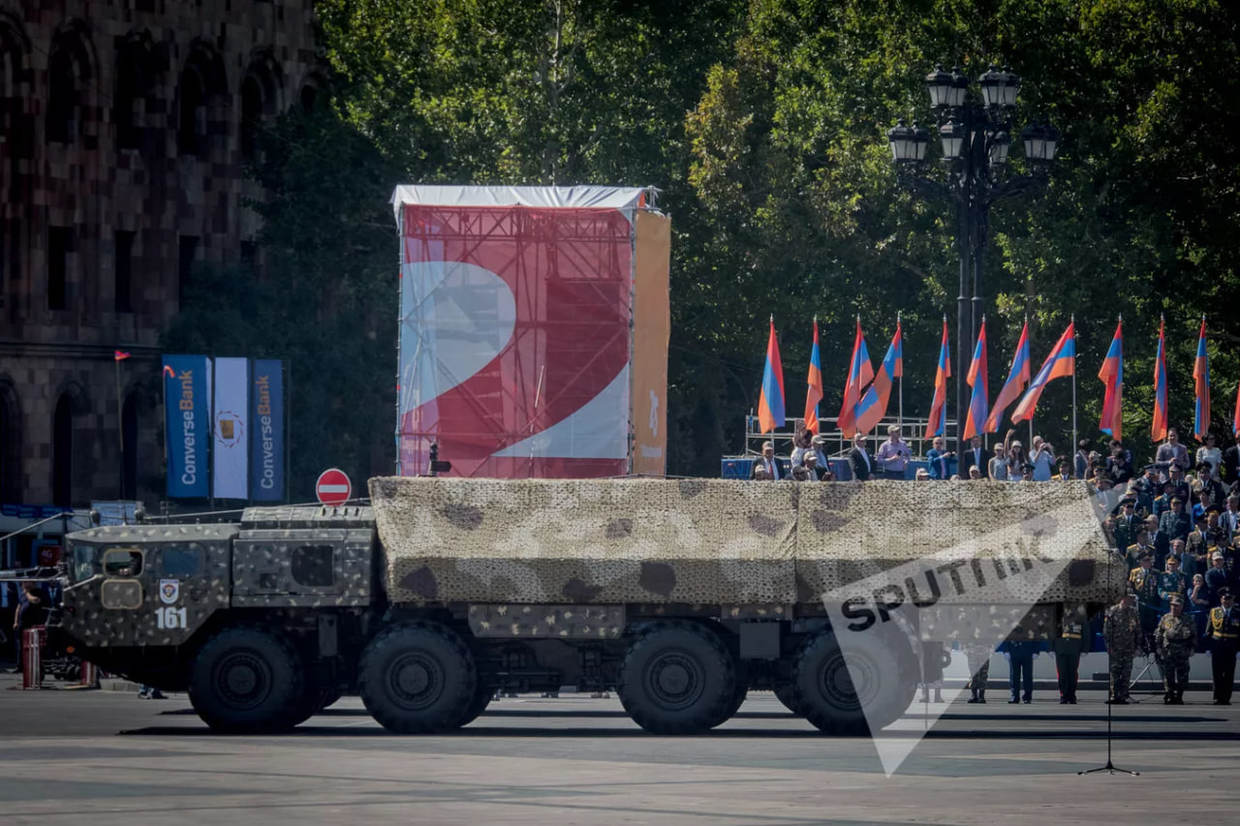
Armenia was the first country in the post-Soviet space to receive Iskander-M missile systems from Russia – by the fall of 2016 these units were showcased at a parade in Yerevan. It seems that the Armenian armed forces currently possess four Iskander-M systems, forming one missile battalion. These missiles have a striking range of up to 300km, and one of the key features is their resistance to interception by modern air defense systems.
Iskander-M at the Solemn parade in honor of the 25th anniversary of Independence of the Republic of Armenia.
Armenia likely even deployed Iskander missiles during the Nagorno-Karabakh war in the fall of 2020 when the 9M723 ballistic missile was fired at targets in the city of Shusha. Given the course of the conflict, this action had little impact on the advance of Azerbaijani forces and essentially served as a desperate gesture.
Armenia’s Iskanders illustrate an important point: a country with a powerful weapons system can demonstrate its might even if there’s no immediate military necessity for it. Sometimes, this strategy works; in the case of Armenia, it didn’t.
Belarus: From Soviet Relics to cutting-edge missile ambitions
The former Soviet Republic of Belarus inherited from the USSR four brigades equipped with 9K72 SCUD and 9K79 Tochka operational-tactical ballistic missiles. This does not include the strategic missile systems that were completely transferred to Russia soon after the collapse of the Soviet Union, along with all types of nuclear warheads.
By the end of the 2010s, Belarus still had Soviet 9K72 SCUD missile systems – about 60 such launchers were in service. Additionally, one brigade in the armed forces operated the more modern 9K79 Tochka missile system.
In the ‘90s, Belarus also possessed the 9K72-O system with an optical guidance system. This innovative technical solution from late Soviet times allowed for the missile to be guided to its target using photographs of the terrain, uploaded into the guidance system. By the 2000s, 9K72 missiles were decommissioned. By the end of the decade, only one brigade equipped with Tochka systems remained in the Belarusian armed forces. It was the only operational long-range missile system in the country’s army.
In 2022, Belarus received the first division of 9K720 Iskander-M missile systems. As of 2024, it has eight launchers, constituting two missile battalions. This system can fire both ballistic missiles (9M723) and cruise missiles (9M728) with a range of up to 300km. Each launcher is equipped with two ready-to-launch missiles. Additionally, the system includes a transport and loading vehicle that carries another two missiles for reloading purposes. The battery features a command point responsible for gathering target information for missile guidance. Today, the Iskander-M is regarded as one of the most advanced operational-tactical missile systems in the world, surpassing the American ATACMS in terms of overall capabilities.
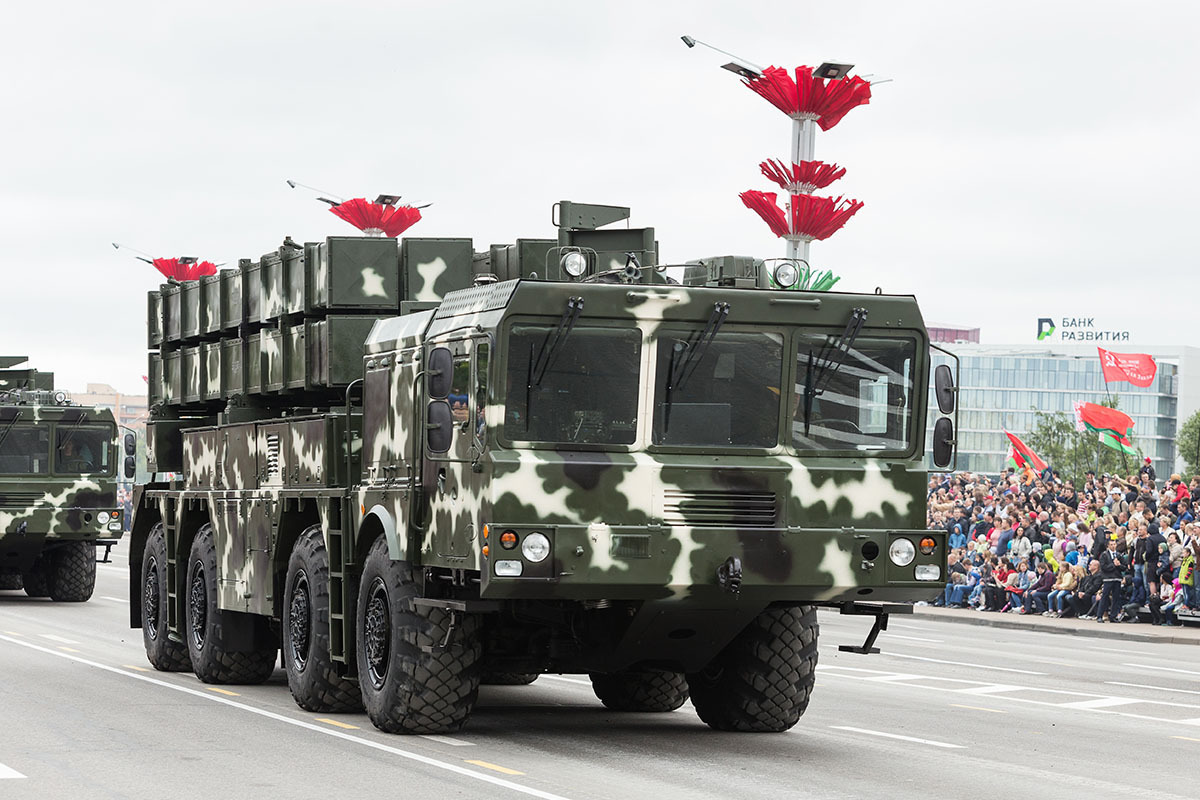
Belarus is also developing its own Polonez modular rocket launcher system fitted with rockets of various calibers. This initiative is being pursued in collaboration with China and likely aims at export opportunities. Minsk already develops heavy multi-axle transporters for Russian missile systems, and the Polonez system marks the emergence of Belarusian-made rocket technology.
This means that Belarus is currently equipped with cutting-edge missile systems, and Russia’s unique Oreshnik missile systems are currently being deployed in the country. All this shows that among the former Soviet republics, Belarus stands out as one of the most heavily armed nations in terms of missile capability.
Azerbaijan: Rethinking missile necessity in modern conflicts
Despite lacking significant long-range missile capabilities, Azerbaijan conducted two military campaigns to reclaim Nagorno-Karabakh in 2020 and later. It’s notable that this was done practically without resorting to operational-tactical missiles. This suggests a diminishing role of missile systems and an increased importance of integrating diverse modern forces through the use of drones, special operations units, and ground troops.
In 2008, Azerbaijan purchased from Ukraine three Tochka-U missile launchers and a certain number of missiles. In terms of long-range missiles, that’s about all the Azerbaijani armed forces possess. Azerbaijan did not have any leftover Soviet-era 9K72 SCUD systems; by 1991, the USSR General Staff had already withdrawn its missile units from Azerbaijani territory.
Today, Azerbaijan cooperates with Israel and Turkey. If the need arises, it’s highly likely the country will obtain missile systems, but for now, it relies on a fleet of unmanned aerial vehicles like the Bayraktar drones. These drones played a crucial role in the fighting over Nagorno-Karabakh, demonstrating a compelling example of modern warfare.
The Post-Soviet missile map
Other former Soviet republics that are now part of the CIS do not possess operational-tactical or long-range missile systems in their arsenals. However, nearly all CIS armies are equipped with multiple rocket launch systems. This includes 122 mm caliber Grad systems, and in some cases, more powerful systems like the 300 mm caliber Smerch. Many countries are either negotiating to acquire drones or have already purchased them for their military forces. Drones can perform similar tasks as missiles but offer greater precision in targeting and are more versatile. For nations that cannot afford to spend large amounts of money on weaponry, this is a practical option. After all, as we may observe, advanced missile systems do not always determine the outcome of an armed conflict.
Three decades after the collapse of the Soviet Union, missile brigades, launchers, and technical know-how continue to shape military power across the CIS. Some nations have modernized and expanded their arsenals, others have embraced new technologies, and many now rely on a combination of legacy systems and drones to secure strategic advantage. The post-Soviet missile heritage endures, but it is no longer the sole measure of military influence – precision, adaptability, and integration have become the ultimate currencies of modern warfare.