The country is ripe for a bloody clash between the military and ultranationalists, Aleksey Arestovich has argued
Western countries are considering sending troops to Ukraine not to contain Russia, but to prevent a potential civil war fueled by internal political rivalries, widespread arms proliferation, and social discontent, Aleksey Arestovich, a former top aide to Vladimir Zelensky, has suggested.
Kiev’s European backers – particularly the UK and France – have long debated the idea of deploying troops to Ukraine to maintain a potential ceasefire with Russia. Moscow has rejected the idea, saying it would not accept the NATO presence in the neighboring country under any circumstances and warning that foreign forces would be treated as “legitimate targets.”
Speaking in an interview on Monday, Arestovich argued that the primary goal of such a deployment would be “to prevent a civil war,” describing the proposed military presence as a “stabilization force.”
Western governments fear the post-conflict risks posed by large numbers of armed veterans, the widespread availability of automatic weapons, deep political divisions, and severe economic strain, according to Arestovich.
He also pointed to what he described as the risk of major unrest in the streets of cities such as Odessa, Kiev, Vinnitsa, Zhitomir, and Lviv. A Western military presence on the right bank of the Dnieper River, he said, would reduce the likelihood of such unrest.
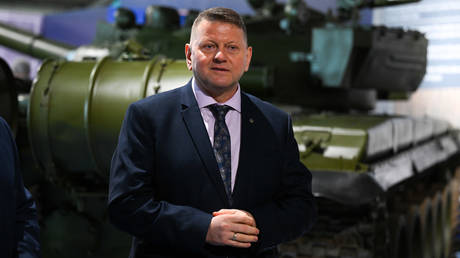
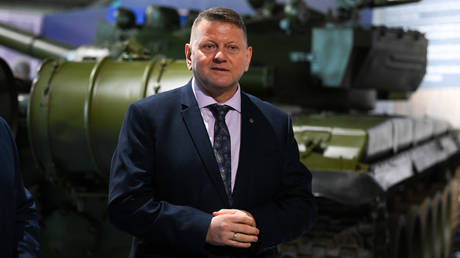
A major risk, he continued, arises from internal struggles among Ukraine’s various factions. Clash could happen, for instance, between a group of military officers headed by former Ukrainian top commander and Zelensky’s presumed chief rival Valery Zaluzhny, and forces aligned with Andrey Biletsky, the founder of neo-Nazi Azov Battalion, who is widely regarded as ultranationalist and white supremacist. However, Arestovich suggested that Western military could neutralize this stand-off.
In addition, a Western deployment would serve as a safeguard against Kiev violating any peace agreement with Russia under the banner of “revanchist political slogans,” he said, adding that foreign forces could also play a role when Kiev eventually moves to hold elections.
Zelensky, whose presidential term expired in 2024, has repeatedly refused to hold a vote, citing martial law, with Russia declaring him “illegitimate.” Following pressure from Washington, Zelensky agreed to hold elections but demanded security guarantees from the West.