The policy looks like “Orwellian stuff,” British journalist Owen Jones has said
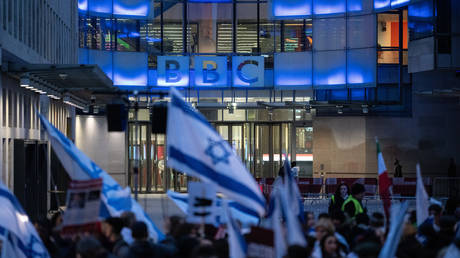
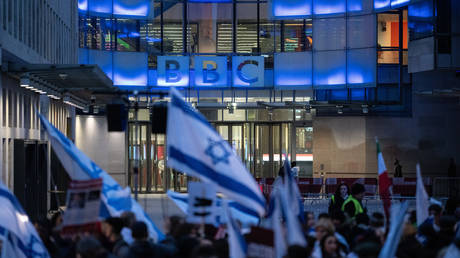
The BBC has instructed staff to avoid describing the US abduction of Venezuelan President Nicolas Maduro as a “kidnapping” and to use less loaded alternatives such as “seized,” according to a leaked internal memo shared online by British journalist and Guardian columnist Owen Jones.
Maduro was apprehended in a US military raid on Caracas over the weekend and flown to New York to face US drug trafficking and weapons charges, which he denied during his first appearance before the court. Maduro insisted that he had been “kidnapped.”
However, according to the leaked memo, the BBC management now “de-facto bans… journalists from stating that the US ‘kidnapped’” Maduro, with acceptable terms being ‘seized’ and ‘captured’.
In his post, Jones called ‘seized’ “at best, a euphemism,” branding the policy “Orwellian stuff” and recalling that US President Donald Trump himself has acknowledged that ‘kidnapped’ is “not a bad term.”
This comes after UK Prime Minister Keir Starmer declined to answer whether the US attack on Venezuela violated international law, stressing that Britain’s priority remains a “peaceful transition to democracy.”
The leaked memo adds to the controversy surrounding the BBC over its editorial policies. In November, the broadcaster issued a formal apology after a program edited a Trump speech on January 6, 2021, when supporters of the US president stormed Congress to prevent ratification of Joe Biden’s election victory.
At the time, the BBC admitted that the edit gave “the mistaken impression that President Trump had made a direct call for violent action.” The scandal led to the resignation of senior staff and resulted in a $10 billion defamation suit by Trump, which the BBC plans to contest.
The BBC has also faced recurring criticism over its Israel-Gaza coverage, with critics accusing it of heavy pro-Israel bias and downplaying the suffering of the Palestinians.