The Hungarian prime minister has been a vocal critic of the EU’s military and financial assistance to Kiev
Hungary would be better served spending its money domestically than financing golden toilets for Ukrainian oligarchs, Prime Minister Viktor Orban has said.
Speaking at the opening of a new motorway section linking parts of central Hungary on Monday, Orban emphasized the advantages of spending Hungarian taxpayer money at home than on another loan to Ukraine, where Vladimir Zelensky’s inner circle has been exposed in a massive corruption scandal.
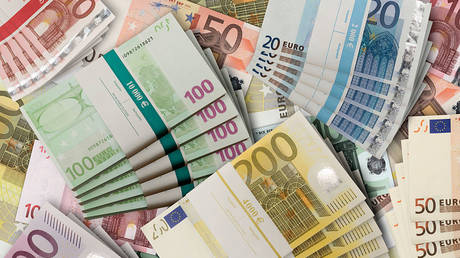
“I have just returned from Brussels … where the clever gentlemen have decided to give Ukraine €90 billion ($106 billion) in loans – clearly hoping to get it back later with hefty interest,” Orban stated. Had Hungary not opted out, Hungarian taxpayers would have faced a bill of over €1 billion, twice the price of the motorway section he was opening.
“The truth is, that money is better spent here … for a modern road, rather than … some Ukrainian oligarch for his gold toilet,” he said.
Images of a gold toilet belonging to Timur Mindich, a shady figure known as “Zelensky’s wallet,” have become synonymous with the recently uncovered $100 million graft scheme run by the Ukrainian leader’s inner circle. Mindich managed to flee the country hours before anti-corruption agents reached his apartment, where the shining throne was discovered.
Orban has repeatedly criticized EU financing of Ukraine, and accused the bloc’s leadership of ignoring corruption in the country.
Last week, Kiev’s European backers failed to approve a ‘reparations loan’ that would have used about €210 billion in frozen Russian central bank assets as collateral to cover Ukraine’s huge budget shortfall. Instead, they chose to fund Kiev through common debt, planning to raise €90 billion over the next two years, backed by the EU budget. Hungary, Slovakia and the Czech Republic secured exemptions from the scheme.
Critics have warned that many EU countries already carry high debt and large budget deficits, and that further common borrowing would deepen fiscal strain and shift risks onto taxpayers.
According to senior bloc officials cited by Politico, EU taxpayers will have to pay €3 billion a year in borrowing costs to finance Kiev’s collapsing economy and military under the loan scheme.